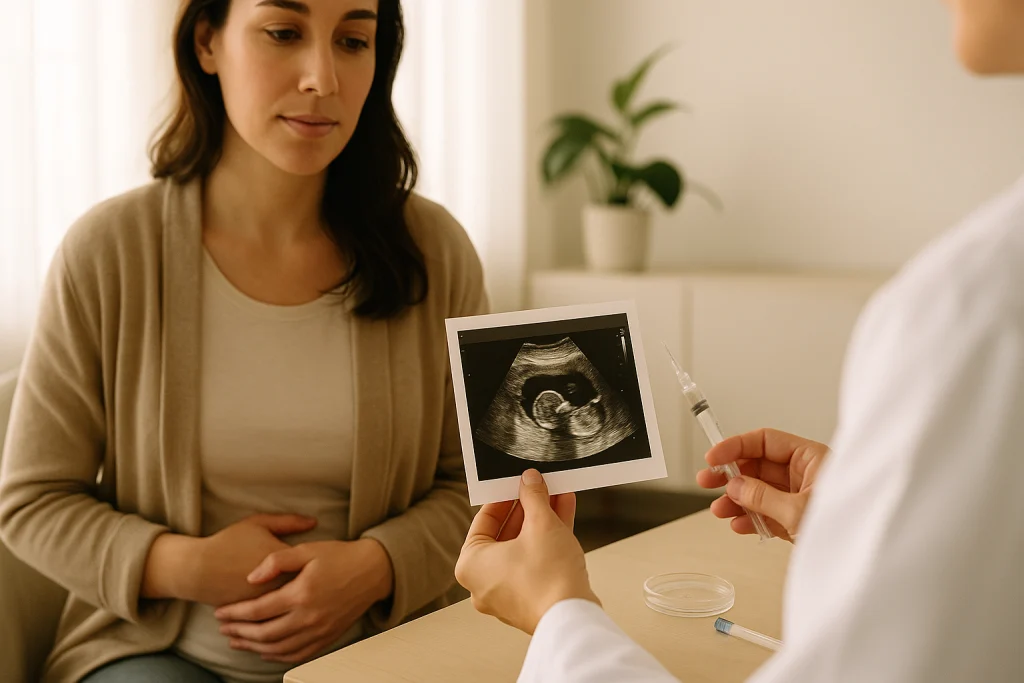
The in vitro fertilization (IVF) process is a multifaceted journey designed to assist individuals and couples in achieving pregnancy. Understanding the various stages of IVF can empower you to make informed decisions and feel more prepared as you embark on this path. The main stages include ovarian stimulation, egg retrieval, fertilization, and embryo transfer, each playing a critical role in the overall success of the procedure.
Ovarian Stimulation: Preparing for Egg Retrieval
The first stage of IVF is ovarian stimulation, where hormonal medications are administered to promote the development of multiple eggs in the ovaries. Typically, gonadotropins are used in this process, as they stimulate the ovaries to produce multiple follicles. Research shows that this approach increases the chances of retrieving viable eggs, which is crucial for fertilization (Fertility and Sterility, 2017). Monitoring is essential during this stage, involving regular ultrasounds and blood tests to evaluate hormone levels and follicle development.
Egg Retrieval: The Collection Process
Once the follicles reach the desired size, a trigger injection is given to induce final maturation of the eggs. Approximately 34-36 hours after this injection, the egg retrieval procedure occurs. This minor surgical procedure is performed under sedation and involves using a thin needle to aspirate the eggs from the ovaries. A study published in the Journal of Clinical Endocrinology & Metabolism (2018) highlights that the retrieval process is generally safe, with minimal risks associated when conducted by experienced professionals.
Fertilization: The Meeting of Egg and Sperm
Following egg retrieval, the next stage is fertilization, where the retrieved eggs are combined with sperm in a laboratory setting. There are two primary methods for fertilization: conventional insemination and intracytoplasmic sperm injection (ICSI). ICSI is often recommended in cases of male infertility, as it involves injecting a single sperm directly into the egg, significantly enhancing the chances of fertilization (Reproductive BioMedicine Online, 2020). The success of this stage is monitored closely, with embryologists assessing the development of embryos over the next few days.
Embryo Transfer: The Final Step in IVF
The final stage of the IVF process is embryo transfer, where one or more healthy embryos are selected and placed into the uterus. This typically occurs 3 to 5 days after fertilization, during which the embryos may be cultured to the blastocyst stage. The timing and number of embryos transferred can significantly influence the likelihood of pregnancy (Human Reproduction, 2019). After the transfer, patients may be advised on medication protocols and self-care strategies to support implantation and overall success.
Understanding these key stages of the IVF process can help demystify the journey and prepare you for what lies ahead. It’s essential to maintain open communication with your fertility clinic throughout each stage to address any questions or concerns, ensuring you feel supported and informed.
As you navigate the IVF process, remember that each individual’s journey is unique. Consult your fertility specialist to tailor your treatment plan to your specific needs and circumstances.
In summary, the IVF process involves several critical stages: ovarian stimulation, egg retrieval, fertilization, and embryo transfer. Each stage requires careful attention and expertise to optimize success rates. Engaging with your healthcare team and understanding each step can significantly enhance your experience.
For further reading, consider exploring related topics such as ‘Embryo transfer preparation and post-transfer routines,’ ‘Understanding IVF Success Rates and Influencing Factors,’ and ‘Preparing for IVF: Nutrition and Lifestyle Tips for Success.’
Related on MVXGRP Health Journal
- Embryo transfer preparation and post-transfer routines
- Understanding IVF Success Rates and Influencing Factors
- Preparing for IVF: Nutrition and Lifestyle Tips for Success
References
- Harris, H. et al. Ovarian stimulation for in vitro fertilization: A systematic review. Fertility and Sterility. 2017. [PubMed]
- Huang, Y. et al. Safety and efficacy of transvaginal ultrasound-guided oocyte retrieval. Journal of Clinical Endocrinology & Metabolism. 2018. [PubMed]
- Zhang, Y. et al. ICSI vs conventional insemination: A systematic review. Reproductive BioMedicine Online. 2020. [PubMed]
References and Further Reading
- ASRM ReproductiveFacts: Optimizing Natural Fertility - Patient education from the American Society for Reproductive Medicine on fertility timing and care discussions.
- ASRM ReproductiveFacts: Age and Fertility - Patient education on age-related fertility changes and treatment context.
Editorial and Medical Note
Written by MVXGRP Editorial Team. Last updated: June 18, 2026.
This article is educational and does not replace diagnosis, treatment, or personal medical advice. For symptoms, medication decisions, fertility treatment planning, pregnancy complications, or urgent concerns, speak with your doctor, midwife, fertility clinic, or emergency care team. Read more about our editorial approach.