Preparing the Uterus: What Nutrition Can and Cannot Do
The uterine lining (endometrium) is primarily prepared by estrogen and progesterone — either from a natural cycle or through medication. Nutrition supports the overall environment but does not build the lining independently. Several nutrients have supporting evidence for implantation-related mechanisms: vitamin E (supports endometrial blood flow), L-arginine (supports nitric oxide-mediated vasodilation to the uterus), and ongoing omega-3 intake (anti-inflammatory support).
The Pineapple Core: Does It Help?
The claim that pineapple core near the time of transfer improves implantation circulates widely online. It is based on the fact that pineapple contains bromelain, an enzyme with modest anti-inflammatory properties. The amount of bromelain in a few slices of pineapple core is far below any dose used in experimental settings, and there are no clinical trials on this practice. If you enjoy it, eat it — but do not rely on it as a meaningful intervention.
Bed Rest After Transfer: The Evidence
Multiple randomised controlled trials have compared bed rest with normal activity after embryo transfer. No study has found that bed rest improves live birth or implantation rates. One meta-analysis found a trend toward slightly lower success rates with prolonged bed rest, possibly due to reduced uterine blood flow. Current guidance from most major fertility societies recommends resuming normal light activity the same day as transfer.
Managing Progesterone Side Effects
Progesterone supplementation commonly causes bloating, constipation, and fatigue after transfer. These symptoms mimic early pregnancy symptoms but do not reliably indicate success or failure — they are pharmacological side effects. To manage digestive symptoms: increase fiber and fluid, avoid heavy meals at night, continue moderate walking to support intestinal motility. Maintain regular balanced meals, continue prenatals, avoid alcohol, and limit caffeine to under 200 mg daily throughout the two-week wait.
Key Takeaways
This article on Embryo transfer preparation and post-transfer routines is designed to give you clear, evidence-informed steps to discuss with your care team. Every fertility journey, pregnancy, and IVF cycle is unique — use this as a starting framework and build your individual plan with your doctor, midwife, or registered dietitian. For safety-critical decisions, current evidence and your clinical team always take precedence over general guidance.
Visual Guide

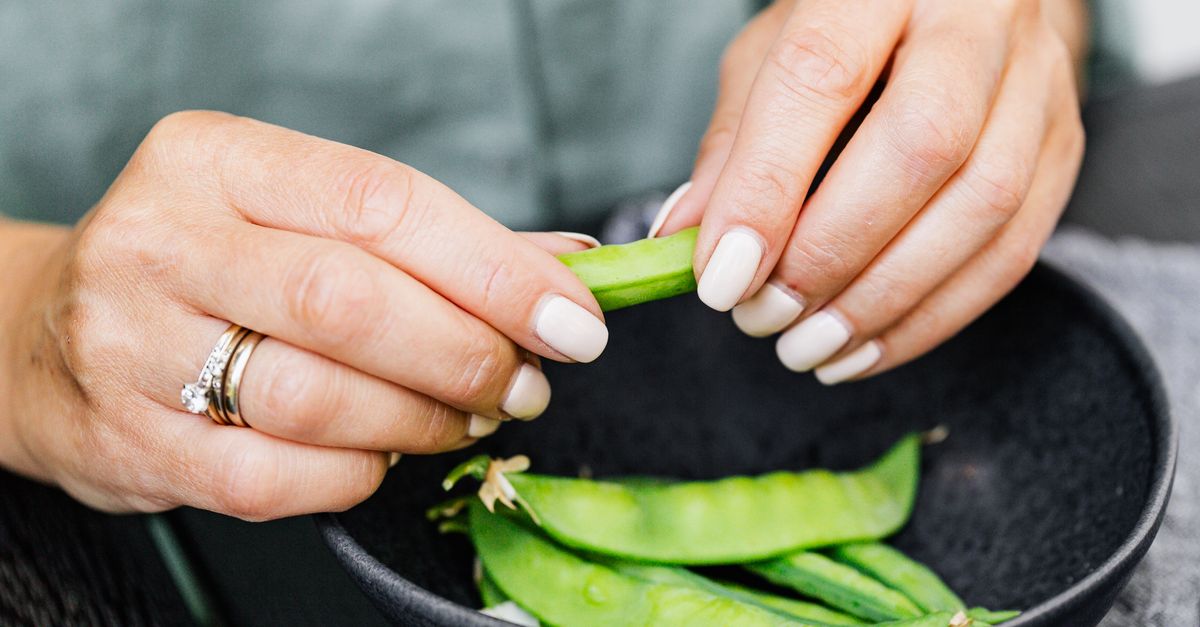
Keep this one practical: use the first image to understand the context, then apply one actionable step today before moving to the next section.
References and Further Reading
- ASRM ReproductiveFacts: Optimizing Natural Fertility - Patient education from the American Society for Reproductive Medicine on fertility timing and care discussions.
- ASRM ReproductiveFacts: Age and Fertility - Patient education on age-related fertility changes and treatment context.
- ACOG: Healthy Eating During Pregnancy - Patient guidance on pregnancy nutrients including folic acid, iron, iodine, choline, vitamin D, and omega-3 fatty acids.
- CDC: About Folic Acid - Public health guidance on folic acid before and during early pregnancy.
Editorial and Medical Note
Written by MVXGRP Editorial Team. Last updated: April 20, 2026.
This article is educational and does not replace diagnosis, treatment, or personal medical advice. For symptoms, medication decisions, fertility treatment planning, pregnancy complications, or urgent concerns, speak with your doctor, midwife, fertility clinic, or emergency care team. Read more about our editorial approach.