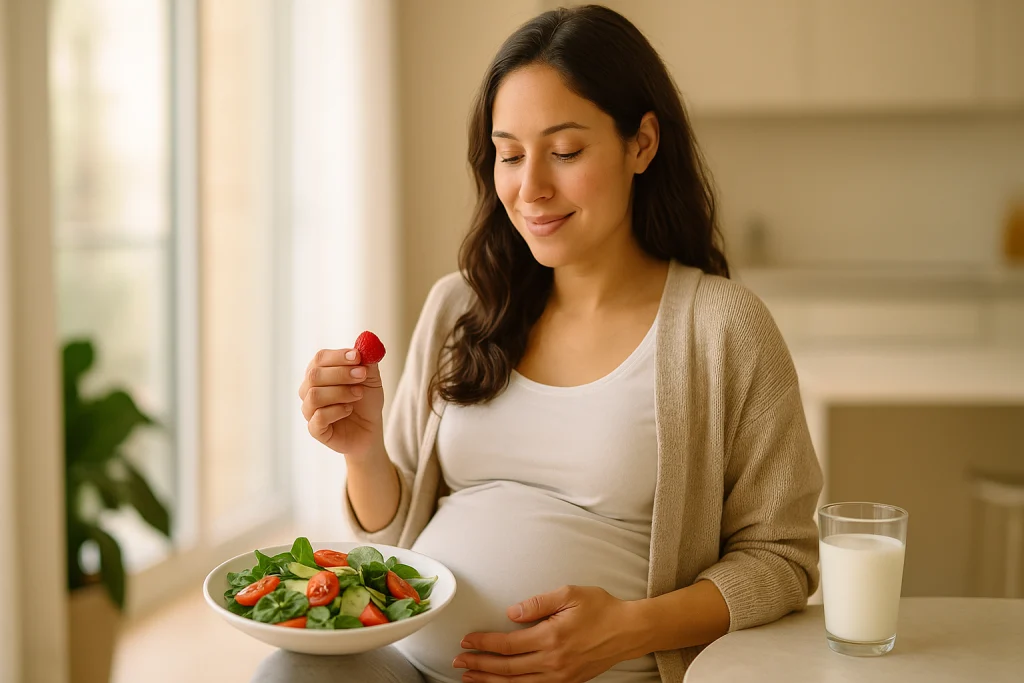
Preparing for in vitro fertilization (IVF) requires careful planning, especially when it comes to nutrition. The foods you consume can significantly influence both your physical health and your body’s response to fertility treatments. Nutritional strategies, such as optimizing your intake of key vitamins and minerals, can enhance reproductive health and improve the chances of a successful outcome. Research suggests that a balanced diet rich in whole foods can positively impact fertility, making it essential to focus on nutrition during this critical time.
Key Nutrients for Fertility
Certain nutrients play a vital role in supporting fertility. Folate, for example, is crucial for cell division and can help reduce the risk of neural tube defects in early pregnancy. Foods rich in folate include leafy greens, legumes, and fortified cereals. Omega-3 fatty acids, found in fatty fish and flaxseeds, are also beneficial, as they can help reduce inflammation and improve egg quality. Additionally, vitamin D is essential for hormone regulation and can be obtained through sunlight exposure and fortified foods. Integrating these nutrients into your diet is a proactive step towards enhancing your reproductive health.
The Role of Antioxidants in IVF
Antioxidants are another important component of a fertility-friendly diet. They help protect cells from oxidative stress, which can negatively impact egg and sperm quality. Foods high in antioxidants include berries, nuts, dark chocolate, and colorful vegetables. A study published in the journal Fertility and Sterility highlights the positive effects of antioxidants on reproductive outcomes, suggesting that a diet abundant in these compounds may improve IVF success rates. Incorporating a variety of antioxidant-rich foods can be a simple yet effective way to support your body during treatment.
Lifestyle Factors and Their Impact
In addition to nutrition, lifestyle factors such as sleep, stress management, and physical activity also play significant roles in fertility. Chronic stress can interfere with hormonal balance, making it harder to conceive. Engaging in regular physical activity, while ensuring not to overexert, can help manage stress levels and improve overall health. Adequate sleep is equally crucial, as it allows your body to recover and maintain hormonal equilibrium. Aim for 7-9 hours of quality sleep each night to support your body’s needs during IVF.
It’s also important to stay hydrated and limit processed foods, sugars, and trans fats, as these can negatively impact your health and fertility. A whole-foods-based diet, focusing on natural, unprocessed items, can help you maintain a healthy weight and optimize your body for the IVF process. If you have specific dietary restrictions or health conditions, consulting with a registered dietitian who specializes in fertility can provide personalized guidance.
Preparing your body for IVF through nutrition is a powerful way to take control of your fertility journey. While it can seem overwhelming, small, manageable changes to your diet and lifestyle can make a difference. By focusing on nourishing your body with the right foods and practices, you can enhance your chances of a successful IVF outcome.
Before making any significant changes to your diet or lifestyle, it’s essential to consult with your fertility specialist or healthcare provider. They can provide individualized recommendations based on your specific circumstances and needs, ensuring that you are on the right path toward achieving your goals.
Related on MVXGRP Health Journal
- Preparing Your Body for IVF: Nutrition and Lifestyle Guidance
- Understanding the Two-Week Wait in IVF: Managing Emotions and Expectations
- Emotional and Mental Health Support During IVF Treatment
References
- Fertility and Sterility. Antioxidants and fertility: a review. 2012. [PubMed]
- Human Reproduction. Folate and fertility: a review. 2015. [PubMed]
- The Lancet. Diet, lifestyle, and reproductive health: a review. 2016. [PubMed]
References and Further Reading
- ASRM ReproductiveFacts: Optimizing Natural Fertility - Patient education from the American Society for Reproductive Medicine on fertility timing and care discussions.
- ASRM ReproductiveFacts: Age and Fertility - Patient education on age-related fertility changes and treatment context.
- ACOG: Healthy Eating During Pregnancy - Patient guidance on pregnancy nutrients including folic acid, iron, iodine, choline, vitamin D, and omega-3 fatty acids.
- CDC: About Folic Acid - Public health guidance on folic acid before and during early pregnancy.
Editorial and Medical Note
Written by MVXGRP Editorial Team. Last updated: July 13, 2026.
This article is educational and does not replace diagnosis, treatment, or personal medical advice. For symptoms, medication decisions, fertility treatment planning, pregnancy complications, or urgent concerns, speak with your doctor, midwife, fertility clinic, or emergency care team. Read more about our editorial approach.