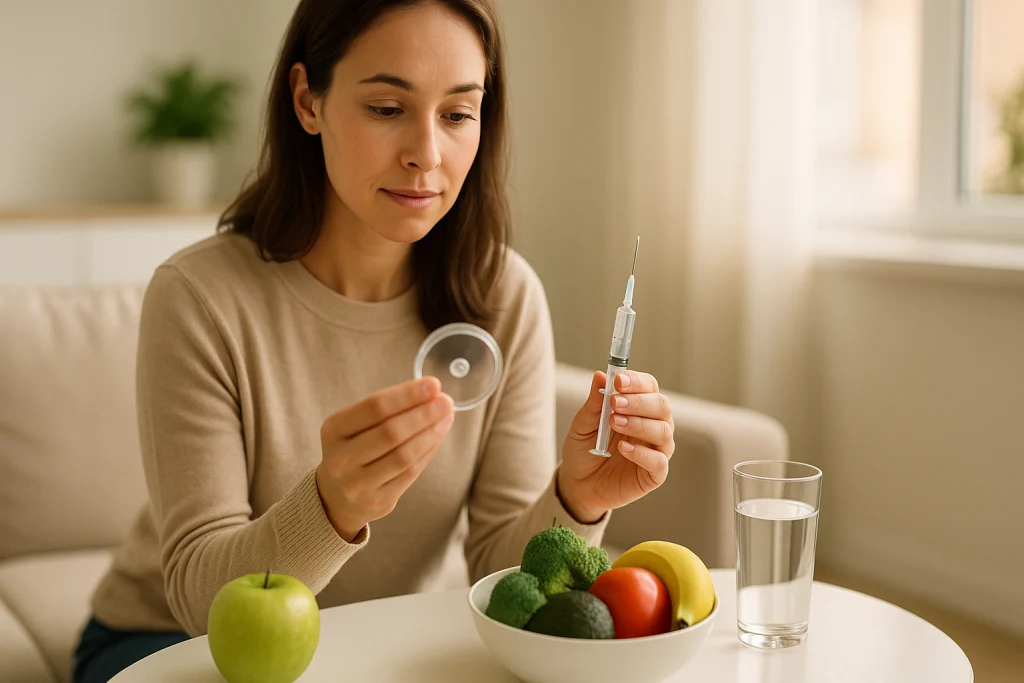
The journey to successful in vitro fertilization (IVF) begins long before the actual procedure. Preparing your body through nutrition and lifestyle changes can play a vital role in enhancing your chances of a successful outcome. Research has shown that specific dietary choices, supplements, and lifestyle modifications can positively influence reproductive health and fertility. This article will explore various strategies to help you prepare for IVF effectively and compassionately.
The Importance of Nutrition in IVF Preparation
A balanced diet is essential for anyone undergoing IVF. Nutrient-dense foods rich in vitamins and minerals can support hormonal balance and egg quality. Studies have indicated that diets high in antioxidants, such as fruits and vegetables, can improve fertility outcomes (Terry et al., 2019, Fertility and Sterility). Key nutrients like folate, omega-3 fatty acids, and protein play a significant role in preparing your body for IVF. Incorporating these nutrients into your daily meals can help prepare your reproductive system for the challenges ahead.
Lifestyle Modifications to Enhance Fertility
In addition to nutrition, lifestyle modifications can greatly impact your fertility. Regular physical activity can help maintain a healthy weight, which is crucial since both underweight and overweight conditions can affect IVF success rates. The American Society for Reproductive Medicine suggests moderate exercise routines that promote overall health without excessive strain (Practice Committee of ASRM, 2019, Fertility and Sterility). Additionally, managing stress through mindfulness practices, yoga, or meditation can further enhance your emotional and physical wellbeing during this challenging time.
The Role of Supplements in IVF Preparation
Supplements can also play a supportive role in preparing for IVF. Prenatal vitamins containing folic acid are crucial, as they help prevent neural tube defects and may contribute to improved fertility. Furthermore, Coenzyme Q10 and vitamin D have been shown to enhance egg quality and overall reproductive health (Shah et al., 2020, The Journal of Clinical Endocrinology & Metabolism). However, it’s essential to discuss any supplements you plan to take with your fertility specialist to ensure they align with your treatment plan.
Incorporating these strategies into your daily routine can create a supportive environment for your body as you prepare for IVF. Each small change can contribute to a more positive experience and potentially improve your chances of success.
Consulting with Your Fertility Specialist
It’s important to remember that every individual’s journey is unique. While these strategies can be beneficial, consulting with your fertility specialist is crucial for personalized advice tailored to your specific circumstances. They can provide guidance on creating a comprehensive plan that considers your health history, current medications, and any other factors that may affect your IVF journey. This collaboration can foster a sense of confidence and support as you navigate this complex process.
Ultimately, preparing for IVF is about creating a holistic approach that encompasses both physical and emotional well-being. By focusing on nutrition, lifestyle adjustments, and professional guidance, you can embark on your IVF journey with a sense of empowerment and hope.
It is essential to consult with your fertility specialist regarding any changes to your diet, supplements, or lifestyle, as they can provide personalized recommendations based on your unique situation.
Related on MVXGRP Health Journal
- Understanding the IVF Process: Key Stages and What to Expect
- Fertility myths vs evidence: common misconceptions
- Different IVF types: conventional IVF, ICSI, FET, and mild stimulation
References
- Terry, K. L., et al. Dietary antioxidants and fertility. Fertility and Sterility. 2019. [PubMed]
- Practice Committee of the American Society for Reproductive Medicine. Lifestyle factors and reproductive health. Fertility and Sterility. 2019. [PubMed]
- Shah, D. K., et al. Role of vitamin D and coenzyme Q10 in fertility. The Journal of Clinical Endocrinology & Metabolism. 2020. [PubMed]
References and Further Reading
- ASRM ReproductiveFacts: Optimizing Natural Fertility - Patient education from the American Society for Reproductive Medicine on fertility timing and care discussions.
- ASRM ReproductiveFacts: Age and Fertility - Patient education on age-related fertility changes and treatment context.
- ACOG: Healthy Eating During Pregnancy - Patient guidance on pregnancy nutrients including folic acid, iron, iodine, choline, vitamin D, and omega-3 fatty acids.
- CDC: About Folic Acid - Public health guidance on folic acid before and during early pregnancy.
Editorial and Medical Note
Written by MVXGRP Editorial Team. Last updated: June 15, 2026.
This article is educational and does not replace diagnosis, treatment, or personal medical advice. For symptoms, medication decisions, fertility treatment planning, pregnancy complications, or urgent concerns, speak with your doctor, midwife, fertility clinic, or emergency care team. Read more about our editorial approach.