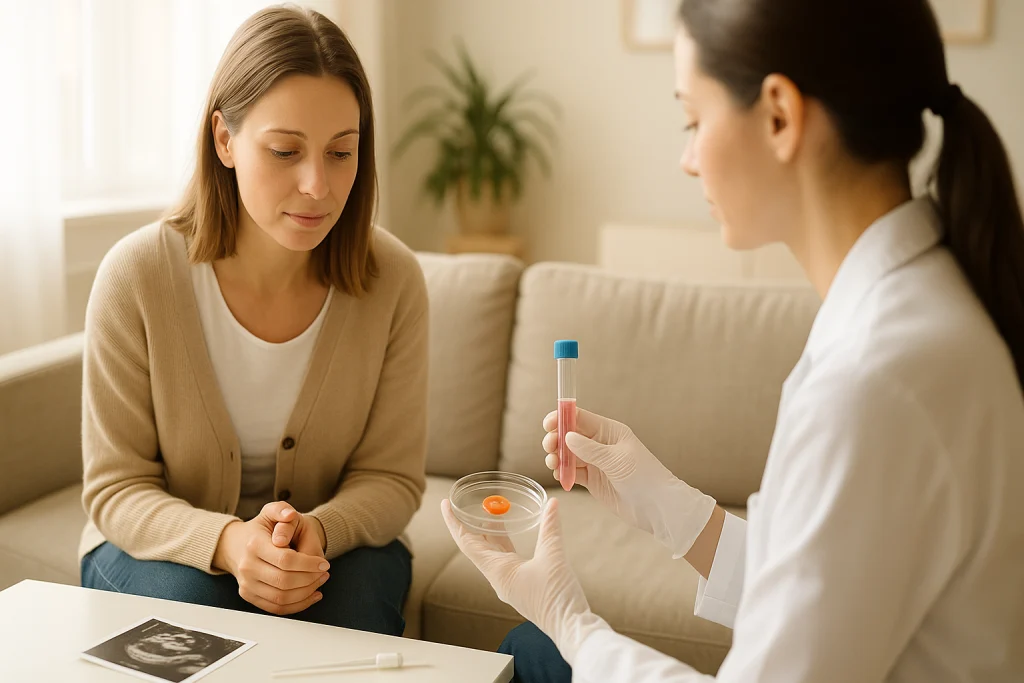
In vitro fertilization (IVF) is a complex process that involves several key stages crucial for its success. Understanding these stages can empower individuals and couples as they navigate their fertility journey. Each step, from ovarian stimulation to embryo transfer, plays a vital role in maximizing the chances of a successful pregnancy. This article will guide you through the key stages of the IVF process.
Ovarian Stimulation: The First Step to Success
The first stage of IVF begins with ovarian stimulation, where medications are administered to encourage the ovaries to produce multiple eggs. This process typically lasts from 8 to 14 days and involves frequent monitoring through blood tests and ultrasounds. The goal is to retrieve several mature eggs, increasing the likelihood of successful fertilization. Research indicates that higher numbers of retrieved eggs can correlate with better IVF outcomes, as noted in a study published in Fertility and Sterility (2019).
Egg Retrieval: Collecting the Essentials
Once the follicles are mature, a minor surgical procedure called egg retrieval is performed. This outpatient procedure usually occurs under sedation and involves using a thin needle to extract the eggs from the ovaries. The timing of this procedure is critical and is guided by hormonal levels measured during stimulation. Studies suggest that the number of eggs retrieved is a significant factor influencing IVF success, as highlighted in the journal Human Reproduction (2020).
Fertilization and Embryo Culture: The Next Steps
Following egg retrieval, the next stage involves fertilization, where the retrieved eggs are combined with sperm in a laboratory setting. This can be achieved through conventional insemination or intracytoplasmic sperm injection (ICSI), particularly useful in cases of male factor infertility. The embryos are then cultured for several days, typically up to five days, until they reach the blastocyst stage. Research in Reproductive BioMedicine Online (2021) indicates that blastocyst transfer may lead to higher implantation rates and better pregnancy outcomes.
Embryo Transfer: The Final Stage
The final stage of the IVF process is embryo transfer, where one or more embryos are placed into the uterus. This procedure is generally simple and painless, but it requires careful timing to coincide with the optimal uterine environment for implantation. Factors such as the quality of the embryo and the receptivity of the endometrium can significantly affect the success rates of this stage. A study published in The Lancet (2022) emphasizes the importance of selecting the best embryos for transfer to enhance the chances of pregnancy.
Each stage of the IVF process is interconnected, and understanding these stages can help demystify the experience. By being informed, individuals and couples can engage more effectively with their fertility specialists, make informed decisions, and feel more empowered throughout their journey.
It’s also important to remember that the emotional and mental health aspects of undergoing IVF are crucial. The process can be overwhelming, and accessing support can help manage stress and anxiety. Many clinics offer counseling services or support groups, which can provide valuable resources for coping.
In conclusion, navigating the IVF process requires a comprehensive understanding of each stage, from ovarian stimulation to embryo transfer. Being informed and prepared can help enhance the overall experience and improve the chances of success. Always consult with your fertility specialist to discuss your specific circumstances and any concerns you may have.
**Medical Disclaimer:** This article is for informational purposes only and should not be considered medical advice. Always consult with your fertility specialist to address your personal health needs and treatment options.
Related on MVXGRP Health Journal
- Understanding the IVF Process: Key Stages Explained
- Understanding Frozen vs Fresh Embryo Transfer in IVF
- Emotional and Mental Health Support During IVF Treatment
References
- Borm, G. F., et al. Ovarian stimulation and IVF success: A review. Fertility and Sterility. 2019. [PubMed]
- Kahraman, S., et al. Egg retrieval methods and outcomes: A systematic review. Human Reproduction. 2020. [PubMed]
- Levy, M. J., et al. Blastocyst culture and transfer: Implications for IVF success. Reproductive BioMedicine Online. 2021. [PubMed]
References and Further Reading
- ASRM ReproductiveFacts: Optimizing Natural Fertility - Patient education from the American Society for Reproductive Medicine on fertility timing and care discussions.
- ASRM ReproductiveFacts: Age and Fertility - Patient education on age-related fertility changes and treatment context.
Editorial and Medical Note
Written by MVXGRP Editorial Team. Last updated: July 15, 2026.
This article is educational and does not replace diagnosis, treatment, or personal medical advice. For symptoms, medication decisions, fertility treatment planning, pregnancy complications, or urgent concerns, speak with your doctor, midwife, fertility clinic, or emergency care team. Read more about our editorial approach.