
May 20, 20263 min read
Separating Fertility Fact from Fiction Fertility information online is a mixture of well-researched guidance and deeply persistent myths. Acting on myths wastes emotional energy, financial resources, and sometimes delays evidence-based treatment. The following are
Read article
May 19, 20262 min read
Calcium: Why Pregnancy Increases Bone Demands The fetal skeleton accumulates approximately 30 g of calcium by term, with the greatest deposition in the third trimester (around 250–300 mg daily transferred to the fetus at
Read article

May 18, 20262 min read
EPA vs DHA: Different Roles in Fertility and Pregnancy The two most clinically relevant omega-3 fatty acids are EPA (eicosapentaenoic acid) and DHA (docosahexaenoic acid). EPA is the primary driver of anti-inflammatory omega-3 signalling
Read article
May 17, 20262 min read
Folate and Vitamin B12: Two Interconnected Nutrients Folate (vitamin B9) and vitamin B12 work together in the methylation cycle — a series of biochemical reactions required for DNA synthesis, cell division, and the production
Read article

May 16, 20262 min read
Breastfeeding Nutrition: What Actually Matters Breastfeeding increases caloric needs by approximately 300–500 kcal daily above pre-pregnancy maintenance requirements. Unlike pregnancy, where some maternal stores buffer nutritional intake, breastmilk composition for iodine, vitamin D, choline,
Read article
May 15, 20262 min read
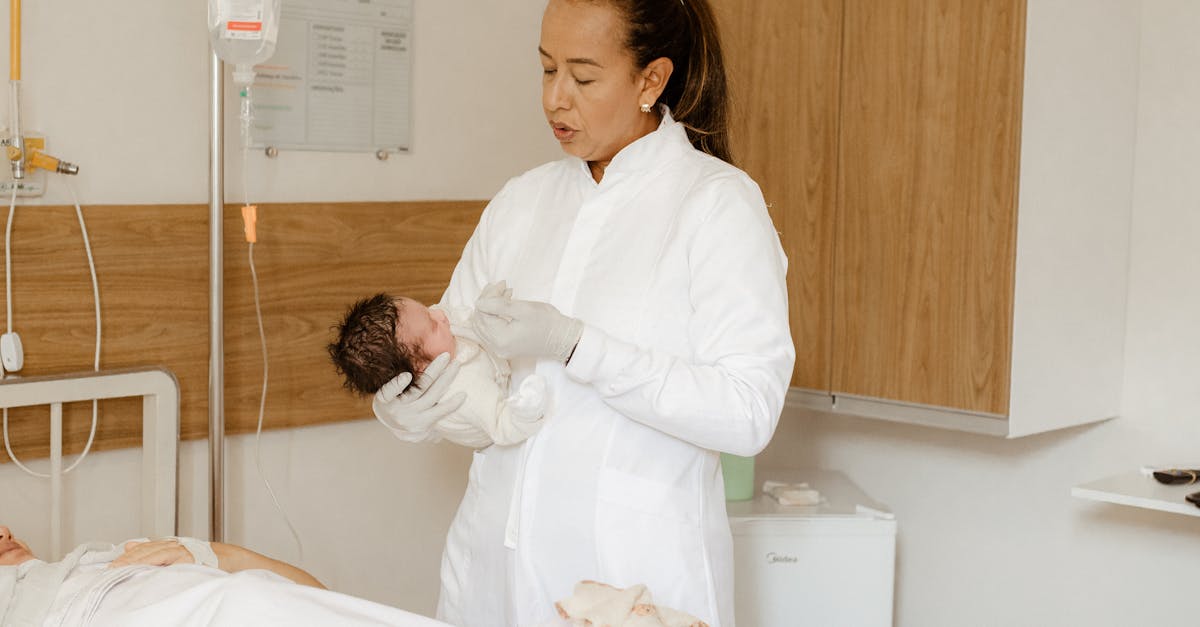
Recovery Nutrition After Birth Postpartum nutrition is often overlooked, yet the mother's recovery from birth — including blood loss, tissue healing, hormonal transition, and potentially surgical recovery after caesarean — requires active nutritional support.
Read article

May 14, 20262 min read
The Third Trimester: When Fetal Growth Is Most Intensive The third trimester (weeks 27–40) is the most nutritionally demanding phase of pregnancy. The fetus more than doubles in weight between 28 and 40 weeks.
Read article
May 13, 20262 min read
Energy and Growth Demands in the Second Trimester The second trimester (weeks 13–26) is typically the most physically comfortable period of pregnancy. Nausea usually resolves, energy returns, and appetite normalises or increases. Fetal growth
Read article

May 12, 20262 min read
Miscarriage: Physical and Nutritional Recovery Pregnancy loss results in blood loss and often requires physical recovery before further conception attempts are safe or advisable. Most clinicians advise waiting for at least one normal menstrual
Read article

May 11, 20262 min read
Preparing the Uterus: What Nutrition Can and Cannot Do The uterine lining (endometrium) is primarily prepared by estrogen and progesterone — either from a natural cycle or through medication. Nutrition supports the overall environment
Read article