Miscarriage: Physical and Nutritional Recovery Pregnancy loss results in blood loss and often requires physical recovery before further conception attempts are safe or advisable. Most clinicians advise waiting for at least one normal menstrual
Preparing the Uterus: What Nutrition Can and Cannot Do The uterine lining (endometrium) is primarily prepared by estrogen and progesterone — either from a natural cycle or through medication. Nutrition supports the overall environment
Why IVF Stimulation Weeks Demand a Specific Nutrition Strategy During ovarian stimulation, follicles grow rapidly in both number and size, dramatically increasing the metabolic demands on the ovary. Protein is the primary building block
Sleep, Hormones, and the Reproductive Axis FSH and LH are released in pulses during sleep, and the sleep-wake cycle gates their secretion. Studies of women undergoing IVF found that those sleeping fewer than 7
Why Constipation Is So Common in Pregnancy Two main drivers: progesterone and iron supplements. Progesterone relaxes smooth muscle throughout the gastrointestinal tract, slowing intestinal motility and roughly doubling transit time. Iron supplements — particularly
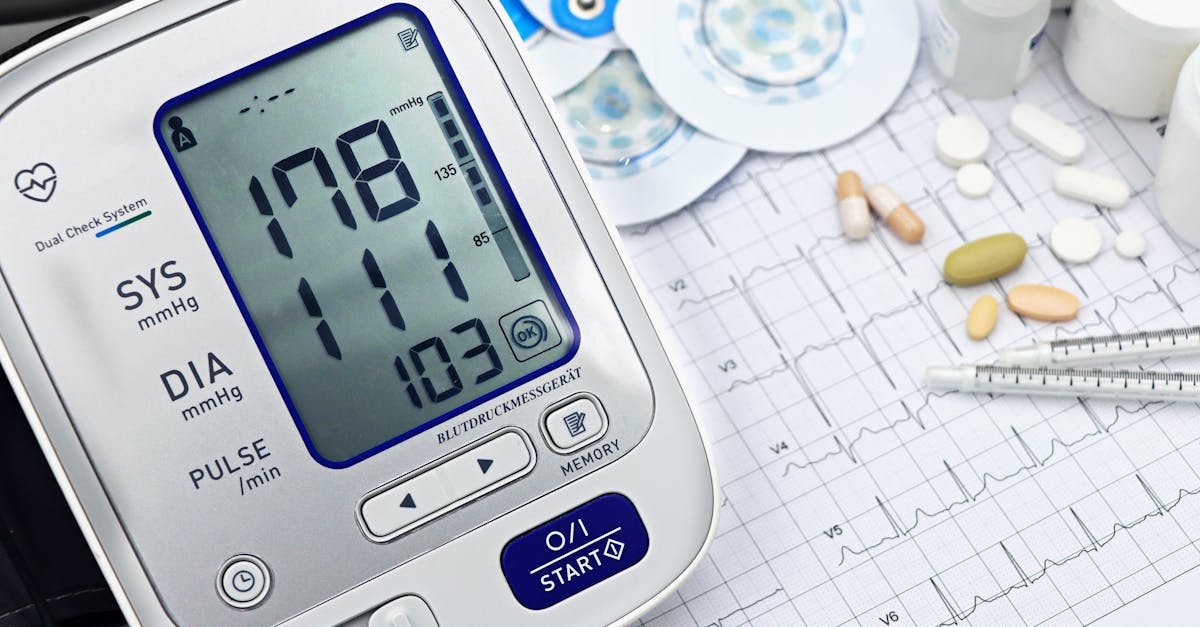
Blood Pressure in Pregnancy: What Is Normal and When Is It Concerning Blood pressure naturally decreases in the first and second trimesters (due to progesterone-driven vasodilation) and rises again in the third trimester. A
What Gestational Diabetes Actually Means Gestational diabetes mellitus (GDM) is glucose intolerance first diagnosed during pregnancy. The pancreas cannot produce sufficient insulin to manage the anti-insulin effects of pregnancy hormones, causing blood glucose to
Why Anemia Is Common in Pregnancy Anemia affects 37–52 percent of pregnant women globally. Blood volume expands by approximately 40–50 percent during pregnancy, and the fetus actively draws iron from maternal stores regardless of
Endometriosis, Inflammation, and Why Nutrition Matters Endometriosis is a chronic inflammatory condition where tissue similar to the uterine lining grows outside the uterus. It affects approximately 10 percent of reproductive-age women and 25–50 percent
Why BMI Is a Poor Sole Indicator for Fertility Body mass index does not measure body fat distribution, muscle mass, metabolic health, or hormonal status — all of which directly affect fertility. A woman