EPA vs DHA: Different Roles in Fertility and Pregnancy
The two most clinically relevant omega-3 fatty acids are EPA (eicosapentaenoic acid) and DHA (docosahexaenoic acid). EPA is the primary driver of anti-inflammatory omega-3 signalling — it competes with pro-inflammatory arachidonic acid and modulates immune function. DHA is primarily structural: it constitutes the majority of the brain’s long-chain polyunsaturated fat content and is essential for the development of photoreceptors in the retina. Both matter during fertility preparation, but DHA becomes the priority from mid-pregnancy into the newborn period for fetal brain and eye development.
Safe Fish Consumption During Pregnancy
Fish is the richest natural source of EPA and DHA, but certain species accumulate methylmercury to levels that exceed safe intake. Avoid: shark, swordfish, king mackerel, bigeye tuna, marlin, orange roughy, and tilefish. Limit: albacore/white tuna to 1 serving weekly. Eat 2–3 servings weekly (240–340g): salmon, sardines, herring, trout, tilapia, cod, haddock, pollock, shrimp, oysters, and canned light tuna. These choices provide meaningful EPA and DHA while keeping mercury exposure within safety margins.
Plant-Based Omega-3: The ALA Conversion Problem
Flaxseeds, chia seeds, walnuts, and hemp seeds provide ALA (alpha-linolenic acid), which the body must convert to EPA and DHA. This conversion is inefficient: approximately 5–10 percent of ALA converts to EPA, and less than 1 percent converts to DHA. Plant sources are therefore poor substitutes for direct EPA and DHA during pregnancy. For vegans and those avoiding fish, algae-derived DHA supplements (200–300 mg daily) are the evidence-based alternative — algae is the primary original producer of DHA in the marine food chain.
Supplement Quality: What TOTOX Means
Fish oil supplements can become rancid if poorly processed or stored. Look for supplements that: have TOTOX (total oxidation) values below 19.5, carry third-party certification (IFOS, NSF, or USP), and use triglyceride form rather than ethyl ester form for better absorption. A fresh (not fishy or rancid) smell and dark glass or opaque packaging are practical quality markers. Algae-based DHA is naturally less susceptible to rancidity and is a consistent-quality alternative.
Key Takeaways
This article on Omega-3 fats for maternal and fetal health is designed to give you clear, evidence-informed steps to discuss with your care team. Every fertility journey, pregnancy, and IVF cycle is unique — use this as a starting framework and build your individual plan with your doctor, midwife, or registered dietitian. For safety-critical decisions, current evidence and your clinical team always take precedence over general guidance.
Visual Guide

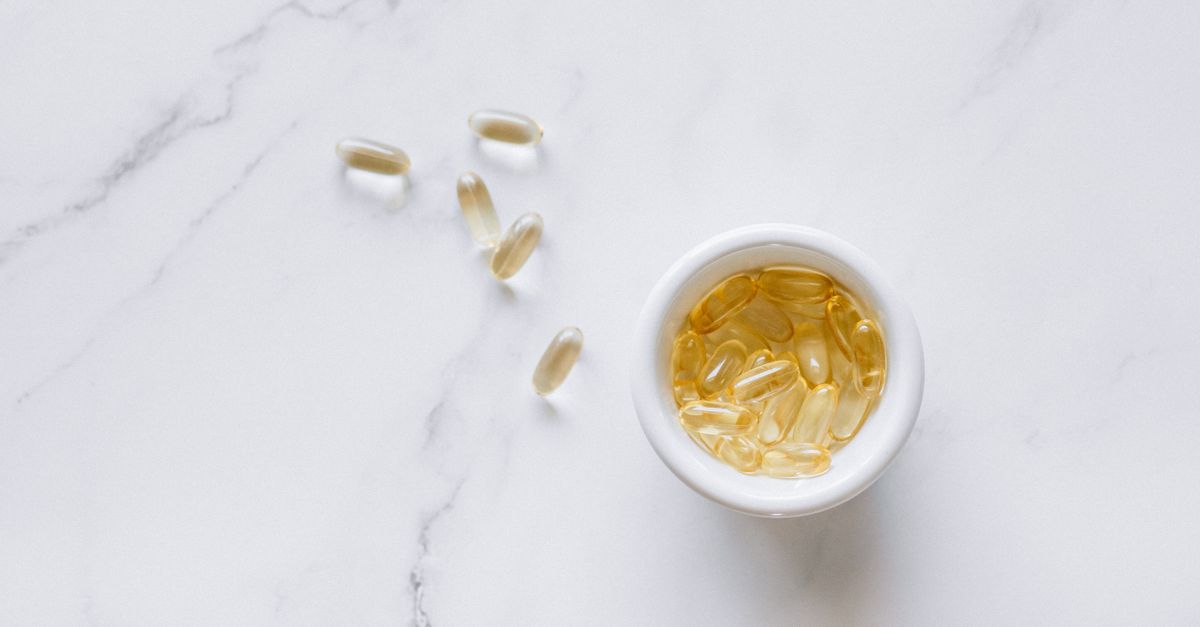
Keep this one practical: use the first image to understand the context, then apply one actionable step today before moving to the next section.
References and Further Reading
- ASRM ReproductiveFacts: Optimizing Natural Fertility - Patient education from the American Society for Reproductive Medicine on fertility timing and care discussions.
- ASRM ReproductiveFacts: Age and Fertility - Patient education on age-related fertility changes and treatment context.
- ACOG: Healthy Eating During Pregnancy - Patient guidance on pregnancy nutrients including folic acid, iron, iodine, choline, vitamin D, and omega-3 fatty acids.
- CDC: About Folic Acid - Public health guidance on folic acid before and during early pregnancy.
Editorial and Medical Note
Written by MVXGRP Editorial Team. Last updated: April 20, 2026.
This article is educational and does not replace diagnosis, treatment, or personal medical advice. For symptoms, medication decisions, fertility treatment planning, pregnancy complications, or urgent concerns, speak with your doctor, midwife, fertility clinic, or emergency care team. Read more about our editorial approach.