The Thyroid-Pregnancy Connection
Thyroid hormone demand increases by 20–40 percent from the first trimester, as the fetal thyroid does not become functional until 16–20 weeks. Unmanaged hypothyroidism during pregnancy is associated with increased miscarriage risk, preterm birth, and neurodevelopmental consequences for the child. Thyroid screening and management is one of the highest-priority clinical steps in preconception and early pregnancy care.
TSH Targets: Pregnancy vs the General Population
The normal TSH range for non-pregnant adults is typically listed as 0.4–4.0 mIU/L, but thyroid associations recommend that TSH in women trying to conceive or in early pregnancy should ideally be below 2.5 mIU/L. If you have a pre-existing thyroid condition and your TSH is above 2.5 mIU/L while trying to conceive, discuss dose adjustment with your doctor. Women on levothyroxine typically need a 25–30 percent dose increase in the first trimester — pre-plan this with your endocrinologist before trying to conceive.
Iodine: Critical and Often Deficient in Pregnancy
Iodine is required to produce thyroid hormones T3 and T4. Pregnancy increases iodine requirement to 220–250 mcg daily. Most prenatal vitamins contain 150–220 mcg; verify yours is included. Iodized table salt is the most common dietary source. Seaweed iodine content varies so widely it cannot be relied upon for consistent intake.
Selenium and Hashimoto’s Thyroiditis
Hashimoto’s thyroiditis is the most common cause of hypothyroidism in women of reproductive age. Meta-analyses show that selenium supplementation (200 mcg daily as selenomethionine) reduces TPO antibody titres and may slow disease progression. 1–2 Brazil nuts daily provides approximately 100–200 mcg of selenium. Do not supplement beyond 400 mcg without clinical supervision — selenium toxicity is real at high doses.
Levothyroxine and Food: Timing Rules That Matter
Levothyroxine absorption is significantly impaired by: calcium (dairy, antacids), iron supplements, coffee, and high-fiber foods. The medication must be taken on an empty stomach, 30–60 minutes before food and any other supplements. Separate it from your prenatal vitamin by at least 4 hours, since prenatals contain both calcium and iron.
Key Takeaways
This article on Thyroid health before and during pregnancy is designed to give you clear, evidence-informed steps to discuss with your care team. Every fertility journey, pregnancy, and IVF cycle is unique — use this as a starting framework and build your individual plan with your doctor, midwife, or registered dietitian. For safety-critical decisions, current evidence and your clinical team always take precedence over general guidance.
Visual Guide

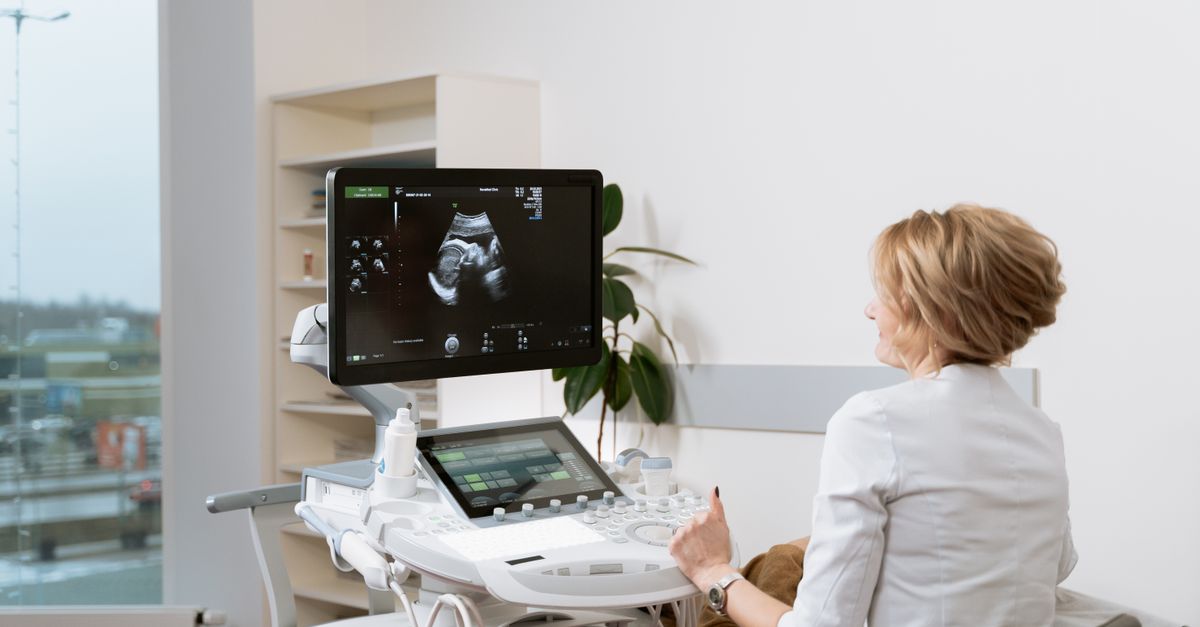
Keep this one practical: use the first image to understand the context, then apply one actionable step today before moving to the next section.
References and Further Reading
- ASRM ReproductiveFacts: Optimizing Natural Fertility - Patient education from the American Society for Reproductive Medicine on fertility timing and care discussions.
- ASRM ReproductiveFacts: Age and Fertility - Patient education on age-related fertility changes and treatment context.
- ACOG: Healthy Eating During Pregnancy - Patient guidance on pregnancy nutrients including folic acid, iron, iodine, choline, vitamin D, and omega-3 fatty acids.
- CDC: About Folic Acid - Public health guidance on folic acid before and during early pregnancy.
Editorial and Medical Note
Written by MVXGRP Editorial Team. Last updated: April 20, 2026.
This article is educational and does not replace diagnosis, treatment, or personal medical advice. For symptoms, medication decisions, fertility treatment planning, pregnancy complications, or urgent concerns, speak with your doctor, midwife, fertility clinic, or emergency care team. Read more about our editorial approach.