How Much Fluid Do You Actually Need?
Hydration requirements rise to approximately 2.5–3 litres of total daily fluid during pregnancy, accounting for increased blood volume, amniotic fluid production, and fetal development. These targets cover all fluid sources — water, soups, fruits, vegetables, dairy, and other beverages. The most practical monitoring marker is urine color: consistently pale yellow (not clear, not dark golden) indicates adequate hydration.
Electrolytes: Why Water Alone Is Not Always Enough
Electrolytes — primarily sodium, potassium, and magnesium — regulate fluid distribution inside and outside cells. In early pregnancy with significant nausea and vomiting, electrolytes are lost alongside fluid. During IVF, particularly in women at OHSS risk, maintaining sodium and protein intake helps retain fluid in the vascular compartment rather than allowing it to pool in the abdomen. Pure water after significant vomiting does not fully correct dehydration without electrolyte replacement.
OHSS and Hydration Strategy
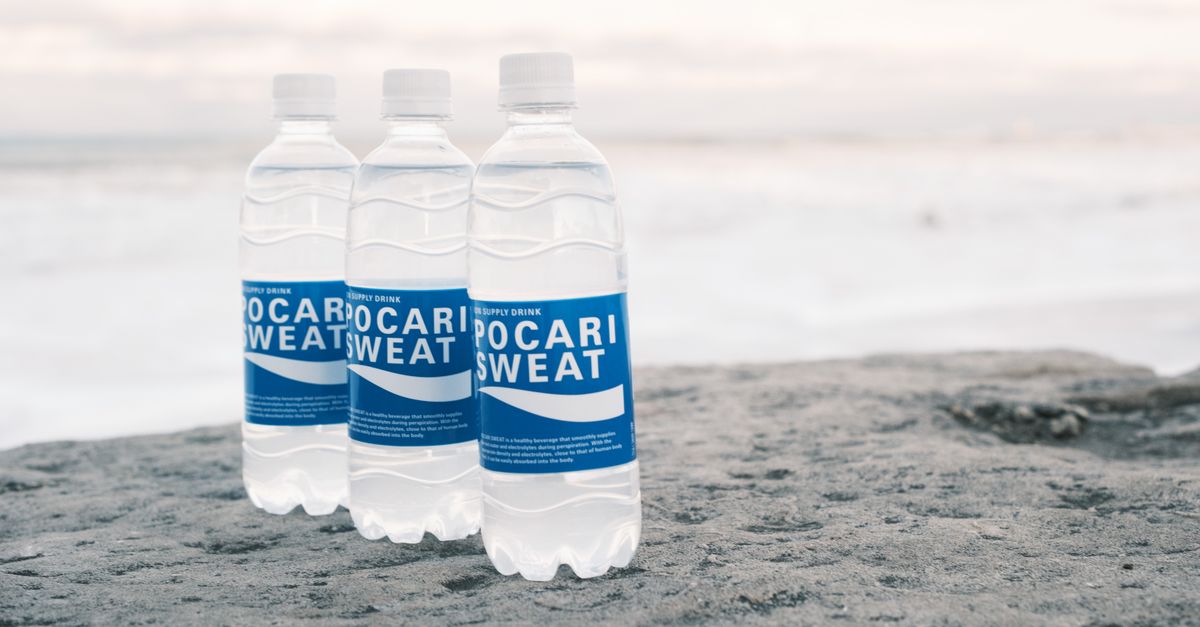
Ovarian hyperstimulation syndrome causes fluid to shift from blood vessels into body cavities. The key preventive hydration strategy: increase fluid and protein intake after egg retrieval to maintain vascular volume. High-sodium and high-protein foods (eggs, chicken, fish, legumes) are specifically recommended by many clinics in the 48–72 hours after retrieval in women at moderate-to-high OHSS risk. Sports drinks and electrolyte solutions are preferable to plain water at this stage.
Caffeine: How Much Is Too Much
Most national guidelines recommend keeping caffeine below 200 mg daily during pregnancy and preconception. One standard espresso contains approximately 60–80 mg; a standard mug of filter coffee contains 90–120 mg. Pay attention to cumulative intake from coffee, tea, soft drinks, and chocolate. Caffeine metabolism slows significantly during pregnancy, so the same intake has longer-lasting effects.
Daily Hydration Checklist
- Start the day with a large glass of water before coffee or tea
- Drink a glass of water with every meal and each prenatal supplement
- Include water-rich foods daily: cucumber, melon, soup, citrus
- After significant vomiting, use an oral rehydration solution rather than plain water
- Limit total caffeine to under 200 mg daily
- Post-retrieval (IVF): prioritize electrolyte-rich drinks and high-protein foods for 48–72 hours
Key Takeaways
This article on Hydration and electrolytes for fertility and pregnancy is designed to give you clear, evidence-informed steps to discuss with your care team. Every fertility journey, pregnancy, and IVF cycle is unique — use this as a starting framework and build your individual plan with your doctor, midwife, or registered dietitian. For safety-critical decisions, current evidence and your clinical team always take precedence over general guidance.
Visual Guide

Keep this one practical: use the first image to understand the context, then apply one actionable step today before moving to the next section.
References and Further Reading
- ASRM ReproductiveFacts: Optimizing Natural Fertility - Patient education from the American Society for Reproductive Medicine on fertility timing and care discussions.
- ASRM ReproductiveFacts: Age and Fertility - Patient education on age-related fertility changes and treatment context.
- ACOG: Healthy Eating During Pregnancy - Patient guidance on pregnancy nutrients including folic acid, iron, iodine, choline, vitamin D, and omega-3 fatty acids.
- CDC: About Folic Acid - Public health guidance on folic acid before and during early pregnancy.
Editorial and Medical Note
Written by MVXGRP Editorial Team. Last updated: April 20, 2026.
This article is educational and does not replace diagnosis, treatment, or personal medical advice. For symptoms, medication decisions, fertility treatment planning, pregnancy complications, or urgent concerns, speak with your doctor, midwife, fertility clinic, or emergency care team. Read more about our editorial approach.