Understanding the Oocyte Maturation Window
Egg quality is determined over approximately 90 days before ovulation or retrieval. During the final 3 months, each follicle undergoes its final growth phases, accumulates nutrients, and prepares mitochondria for the enormous energy demands of fertilization and early embryo division. Changes made today can meaningfully influence eggs retrieved or ovulated in 3 months’ time.
Mitochondrial Health and CoQ10
Eggs rely on mitochondrial energy production to drive meiosis, fertilization, and early cell division. CoQ10 (coenzyme Q10) is a mitochondrial cofactor that declines naturally with age. Several randomised trials show that CoQ10 supplementation (400–600 mg daily of ubiquinol, the reduced form) improves fertilization rates and embryo quality, particularly in women over 35 or with diminished ovarian reserve. Most reproductive endocrinologists consider it a reasonable addition to preconception support, though results are not guaranteed.
Sleep and the Stress-Cortisol-Egg Quality Link
Chronic sleep deprivation and high cortisol impair follicular development. Cortisol competes with FSH and LH signalling and increases oxidative stress within follicular fluid. Studies of women undergoing IVF have found that those sleeping fewer than 7 hours per night retrieved fewer mature eggs and had lower fertilization rates. Sleep is not optional preparation — it is active biological support.
Melatonin and Antioxidant Protection
Melatonin is produced in the ovarian follicle itself and functions as a direct antioxidant, protecting the oocyte from reactive oxygen species during follicle growth. Melatonin levels in follicular fluid correlate with egg maturity and embryo quality. Some IVF clinics use melatonin supplementation (3 mg at bedtime) as an adjunct in poor responders or those with elevated oxidative stress markers. Discuss with your reproductive specialist before starting.
Dietary Priorities for Egg Quality
- Antioxidant-rich foods: berries, dark leafy greens, citrus, nuts, and seeds
- Omega-3 fats: 2 servings of low-mercury fatty fish weekly or algae-based DHA supplement
- Avoid trans fats: check labels for partially hydrogenated oils in processed foods
- Limit alcohol: associated with reduced oocyte maturity rates
- Stable blood sugar: protein and fiber with each meal reduces glycemic-driven oxidative stress
Key Takeaways
This article on Egg quality support: sleep, stress, and micronutrients is designed to give you clear, evidence-informed steps to discuss with your care team. Every fertility journey, pregnancy, and IVF cycle is unique — use this as a starting framework and build your individual plan with your doctor, midwife, or registered dietitian. For safety-critical decisions, current evidence and your clinical team always take precedence over general guidance.
Visual Guide

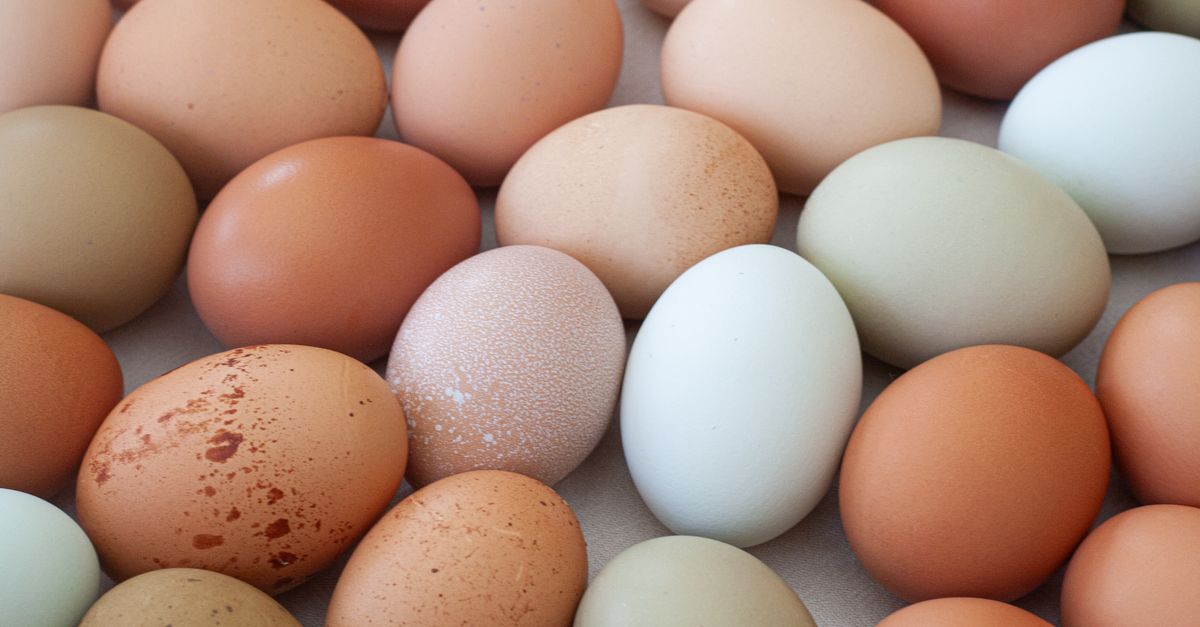
Keep this one practical: use the first image to understand the context, then apply one actionable step today before moving to the next section.
References and Further Reading
- ASRM ReproductiveFacts: Optimizing Natural Fertility - Patient education from the American Society for Reproductive Medicine on fertility timing and care discussions.
- ASRM ReproductiveFacts: Age and Fertility - Patient education on age-related fertility changes and treatment context.
- ACOG: Healthy Eating During Pregnancy - Patient guidance on pregnancy nutrients including folic acid, iron, iodine, choline, vitamin D, and omega-3 fatty acids.
- CDC: About Folic Acid - Public health guidance on folic acid before and during early pregnancy.
Editorial and Medical Note
Written by MVXGRP Editorial Team. Last updated: April 20, 2026.
This article is educational and does not replace diagnosis, treatment, or personal medical advice. For symptoms, medication decisions, fertility treatment planning, pregnancy complications, or urgent concerns, speak with your doctor, midwife, fertility clinic, or emergency care team. Read more about our editorial approach.