Exercise and Fertility: The Evidence
Moderate exercise supports fertility: it improves insulin sensitivity, reduces chronic inflammation, supports healthy weight, lowers cortisol chronically, and improves sleep. However, the relationship between intensity and fertility follows an inverted U — very high intensity exercise with low caloric availability suppresses the hypothalamic-pituitary-ovarian axis and can stop ovulation entirely. The target zone for most women trying to conceive is 150 minutes of moderate-intensity aerobic activity per week plus 2 resistance sessions, without creating a significant caloric deficit.
What to Modify During IVF Stimulation
During the stimulation phase, ovaries can enlarge significantly — sometimes reaching 5–10 cm with multiple follicles — creating real risk of ovarian torsion (twisting of the ovary on its blood supply), which is a surgical emergency. From the start of stimulation injections through retrieval recovery, avoid: high-impact running, jumping, twisting movements, heavy lifting, and high-intensity interval training. Walking, swimming, gentle yoga, and stationary cycling are typically acceptable — confirm with your clinic, as protocols vary.
Post-Retrieval and Post-Transfer Guidelines
Egg retrieval recovery requires 24–72 hours of light activity. Significant pain, bloating, reduced urination, or breathing difficulty after retrieval should be reported to your clinic immediately — these are OHSS warning signs. After embryo transfer, complete bed rest is not supported by evidence; studies show normal light activity does not reduce implantation rates. Avoid strenuous activity for 2–3 days post-transfer while progesterone side effects peak.
Exercise During Pregnancy: Trimester Guide
First trimester: Most pre-existing routines can continue. Reduce intensity if nausea or fatigue is significant. Avoid contact sports and lying flat on your back for extended periods. Second trimester: Energy typically returns. Maintain moderate aerobic exercise; shift to exercises that do not require lying supine as the abdomen grows. Third trimester: Walking, prenatal yoga, pelvic floor work, and swimming are ideal. Stop and contact your provider if you experience vaginal bleeding, contractions, severe breathlessness, or chest pain during exercise.
Key Takeaways
This article on Safe exercise through IVF cycles and pregnancy is designed to give you clear, evidence-informed steps to discuss with your care team. Every fertility journey, pregnancy, and IVF cycle is unique — use this as a starting framework and build your individual plan with your doctor, midwife, or registered dietitian. For safety-critical decisions, current evidence and your clinical team always take precedence over general guidance.
Visual Guide
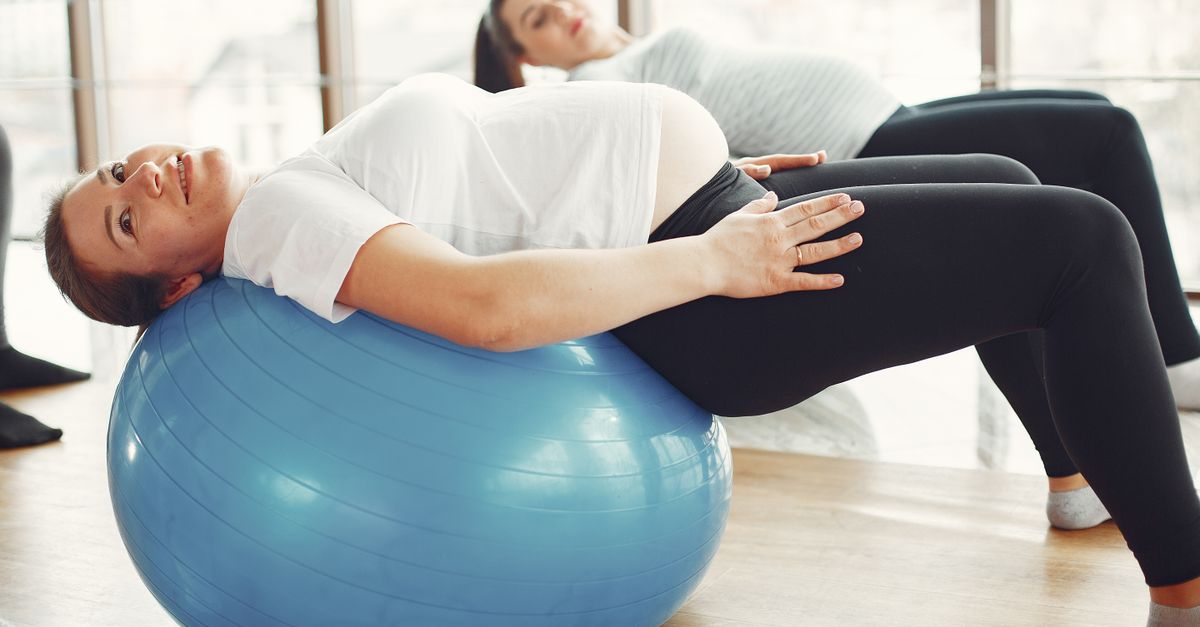
Keep this one practical: use the first image to understand the context, then apply one actionable step today before moving to the next section.

References and Further Reading
- ASRM ReproductiveFacts: Optimizing Natural Fertility - Patient education from the American Society for Reproductive Medicine on fertility timing and care discussions.
- ASRM ReproductiveFacts: Age and Fertility - Patient education on age-related fertility changes and treatment context.
- ACOG: Healthy Eating During Pregnancy - Patient guidance on pregnancy nutrients including folic acid, iron, iodine, choline, vitamin D, and omega-3 fatty acids.
- CDC: About Folic Acid - Public health guidance on folic acid before and during early pregnancy.
- ACOG: Exercise During Pregnancy - Patient guidance on exercise safety, benefits, and warning signs during pregnancy.
Editorial and Medical Note
Written by MVXGRP Editorial Team. Last updated: April 20, 2026.
This article is educational and does not replace diagnosis, treatment, or personal medical advice. For symptoms, medication decisions, fertility treatment planning, pregnancy complications, or urgent concerns, speak with your doctor, midwife, fertility clinic, or emergency care team. Read more about our editorial approach.