Recovery Nutrition After Birth
Postpartum nutrition is often overlooked, yet the mother’s recovery from birth — including blood loss, tissue healing, hormonal transition, and potentially surgical recovery after caesarean — requires active nutritional support. Iron-deficiency anaemia is common after birth. Wound healing requires protein, zinc, and vitamin C. Postpartum thyroiditis — an inflammatory condition — affects 5–9 percent of women in the first year postpartum.
Iron: The First Nutritional Priority Postpartum
Blood loss at delivery averages 200–500 ml for vaginal birth and 500–1,000 ml for caesarean section. Combined with the demands of breastfeeding, postpartum iron deficiency is common and is one of the most underdiagnosed causes of postpartum fatigue and depression. Have ferritin checked at the 6-week postnatal appointment. Continue iron-rich foods: red meat, eggs, lentils, and fortified cereals with vitamin C. If ferritin is below 30 mcg/L, supplementation is likely warranted.
Healing, Immune Recovery, and Omega-3s
Protein: At least 1.2–1.5 g/kg daily to support tissue repair. Zinc: Found in meat, seeds, dairy, and legumes; essential for wound healing. Vitamin C: Collagen synthesis and wound closure; citrus, bell peppers, kiwi, and broccoli. DHA: Continue DHA supplementation during breastfeeding — the infant receives DHA through breastmilk, further drawing on maternal stores. Vitamin D: Often depleted postpartum; low levels associate with increased postpartum depression risk.
Sleep Deprivation and Eating: Managing the Reality
Sleep deprivation disrupts leptin and ghrelin (appetite hormones), increasing cravings for calorie-dense processed food. Practical strategies: batch cook and freeze meals before birth; accept help specifically for food preparation; keep accessible snacks for nursing sessions (nuts, cheese, yogurt, hard-boiled eggs, nut butter); prioritise fluids throughout the day. Continue a prenatal vitamin through breastfeeding to cover many gaps when diet is disrupted.
Key Takeaways
This article on Postpartum nutrition foundations for recovery is designed to give you clear, evidence-informed steps to discuss with your care team. Every fertility journey, pregnancy, and IVF cycle is unique — use this as a starting framework and build your individual plan with your doctor, midwife, or registered dietitian. For safety-critical decisions, current evidence and your clinical team always take precedence over general guidance.
Visual Guide
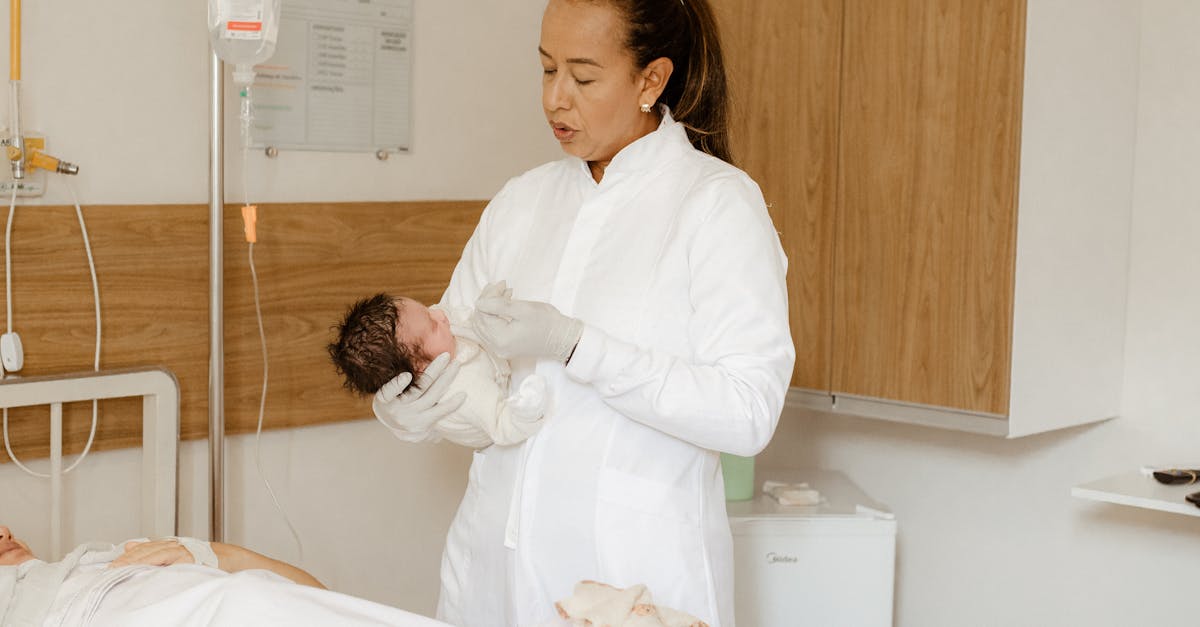
Keep this one practical: use the first image to understand the context, then apply one actionable step today before moving to the next section.

References and Further Reading
- ASRM ReproductiveFacts: Optimizing Natural Fertility - Patient education from the American Society for Reproductive Medicine on fertility timing and care discussions.
- ASRM ReproductiveFacts: Age and Fertility - Patient education on age-related fertility changes and treatment context.
- ACOG: Healthy Eating During Pregnancy - Patient guidance on pregnancy nutrients including folic acid, iron, iodine, choline, vitamin D, and omega-3 fatty acids.
- CDC: About Folic Acid - Public health guidance on folic acid before and during early pregnancy.
Editorial and Medical Note
Written by MVXGRP Editorial Team. Last updated: April 20, 2026.
This article is educational and does not replace diagnosis, treatment, or personal medical advice. For symptoms, medication decisions, fertility treatment planning, pregnancy complications, or urgent concerns, speak with your doctor, midwife, fertility clinic, or emergency care team. Read more about our editorial approach.