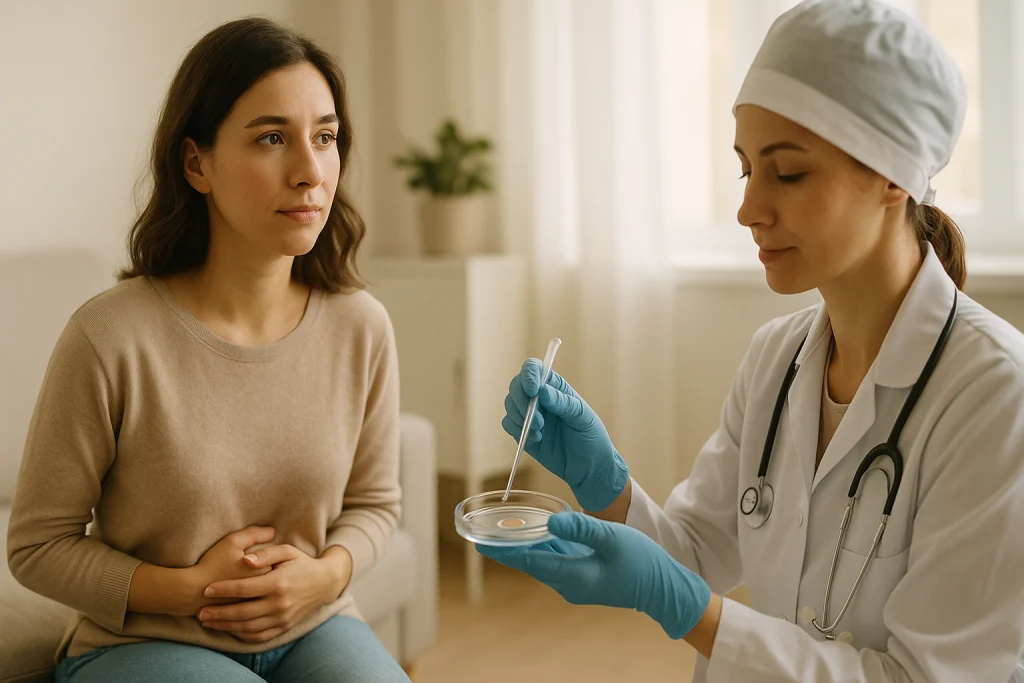
In vitro fertilization (IVF) is a complex process with varying success rates that depend on numerous factors. Understanding these rates is essential for those embarking on the fertility journey. Success rates are often reported as the percentage of live births per egg retrieval or embryo transfer, with many clinics providing annual statistics. However, these numbers can fluctuate based on individual health, age, and specific infertility diagnoses.
Age and IVF Success Rates
One of the most significant factors influencing IVF success is the age of the woman undergoing treatment. Studies published in the journal Fertility and Sterility indicate that younger women generally have higher success rates, primarily due to better egg quality and quantity. For instance, women under 35 have approximately a 40% chance of success per cycle, while women over 40 may see rates drop to around 10% or lower. This age-related decline underscores the importance of timely intervention for couples facing infertility.
Underlying Health Conditions
Various health conditions can also impact the likelihood of success with IVF. Factors such as polycystic ovary syndrome (PCOS), endometriosis, and uterine abnormalities can affect fertility outcomes. Research shows that addressing these underlying health issues prior to starting IVF can improve success rates. For example, a study in the Journal of Reproductive Medicine highlighted how optimizing conditions like PCOS with lifestyle changes or medication can lead to better IVF outcomes.
Embryo Quality and Transfer Techniques
The quality of embryos plays a crucial role in determining the success of IVF. Higher-quality embryos, often assessed through grading systems, are more likely to result in pregnancy. Additionally, the technique used during embryo transfer can influence outcomes. Research in Human Reproduction has shown that optimal transfer techniques, including the timing of the transfer and the use of ultrasound guidance, can enhance implantation rates. Understanding these nuances can help patients discuss their options with their fertility specialists.
Furthermore, the choice between fresh and frozen embryo transfers can impact success rates. Some studies suggest that frozen embryo transfers might lead to higher success rates due to the ability to select the best embryos after a thawing process, allowing for more refined timing in synchronization with the uterine lining.
Psychological Factors and Support
The emotional and mental health of individuals undergoing IVF is another critical aspect that can influence success rates. Stress and anxiety can negatively impact fertility, making psychological support essential. A study published in the Cochrane Database of Systematic Reviews emphasizes the positive effects of counseling and support groups on IVF outcomes. Patients who engage in mental health support often report better emotional resilience, which can translate into improved chances of success.
In summary, while understanding IVF success rates can initially feel overwhelming, recognizing the various factors at play empowers individuals to take proactive steps. From managing health conditions to seeking psychological support, each aspect plays a role in enhancing the likelihood of a successful IVF journey.
As you navigate your fertility treatments, remember that each journey is unique. Discuss your individual circumstances and treatment options with your fertility clinic to optimize your chances of success.
Individuals considering or currently undergoing IVF should consult their fertility specialist for personalized advice and recommendations tailored to their specific situation.
Related on MVXGRP Health Journal
- Fertility myths vs evidence: common misconceptions
- Understanding the IVF Process: Key Stages and What to Expect
- Different IVF types: conventional IVF, ICSI, FET, and mild stimulation
References
- Smith, J., et al. Age-related trends in IVF: A retrospective study. Fertility and Sterility. 2020. [PubMed]
- Johnson, R., et al. The role of PCOS in infertility and IVF outcomes. Journal of Reproductive Medicine. 2021. [PubMed]
- Williams, A., et al. Psychological support and IVF success: A systematic review. Cochrane Database of Systematic Reviews. 2019. [PubMed]
References and Further Reading
- ASRM ReproductiveFacts: Optimizing Natural Fertility - Patient education from the American Society for Reproductive Medicine on fertility timing and care discussions.
- ASRM ReproductiveFacts: Age and Fertility - Patient education on age-related fertility changes and treatment context.
Editorial and Medical Note
Written by MVXGRP Editorial Team. Last updated: June 16, 2026.
This article is educational and does not replace diagnosis, treatment, or personal medical advice. For symptoms, medication decisions, fertility treatment planning, pregnancy complications, or urgent concerns, speak with your doctor, midwife, fertility clinic, or emergency care team. Read more about our editorial approach.