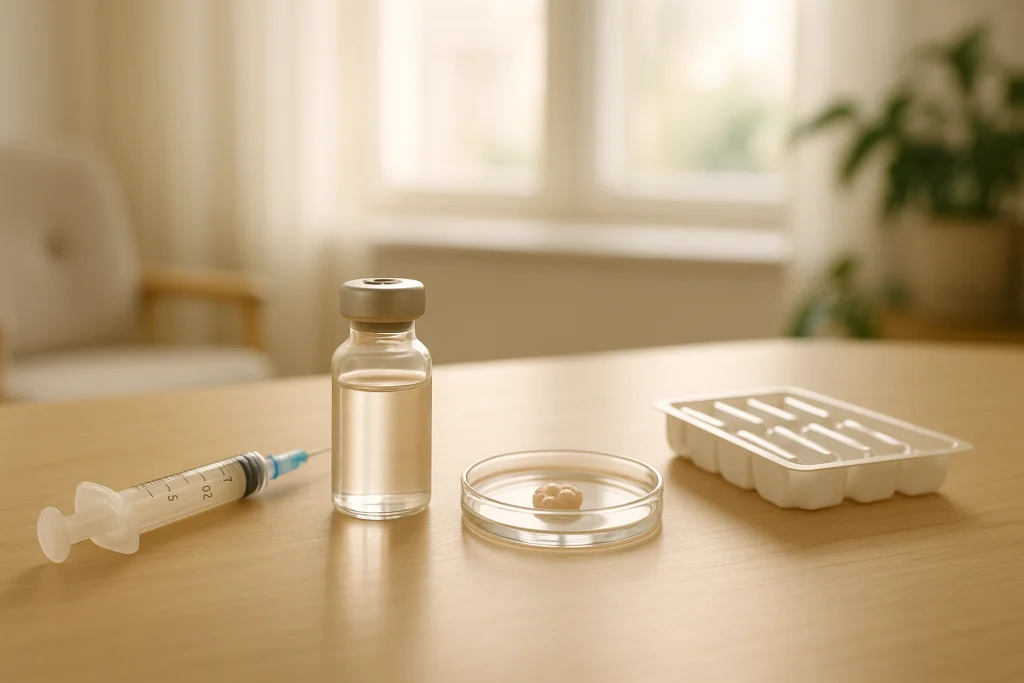
In vitro fertilization (IVF) is a complex process that involves several stages, each critical to achieving a successful pregnancy. Understanding these stages—from ovarian stimulation to embryo transfer—can empower individuals and couples going through fertility treatment. In this article, we will delve into the key stages of the IVF process, what happens at each, and how to prepare for them.
Ovarian Stimulation: The First Step in IVF
The first stage of IVF involves ovarian stimulation, where fertility medications are used to encourage the ovaries to produce multiple eggs. This is crucial because more eggs increase the chances of successful fertilization and embryo development. Monitoring through blood tests and ultrasounds helps track the growth of the follicles, which contain the eggs. According to a study published in Fertility and Sterility, individualized stimulation protocols can enhance outcomes for different patients (Humaidan et al., 2018). Preparing for this stage includes discussing medication options with your fertility specialist.
Egg Retrieval: Collecting the Eggs
Once the follicles reach the desired size, a trigger injection is administered to mature the eggs. Egg retrieval is typically performed 34-36 hours after this injection under sedation. A thin needle is guided through the vaginal wall into the ovaries to extract the eggs. This stage is often less intimidating than it sounds, as sedation helps alleviate discomfort. Research shows that the skill of the practitioner performing the retrieval can significantly impact the number and quality of eggs retrieved (Gleicher et al., 2016). It’s important to follow your clinic’s post-retrieval care instructions closely.
Fertilization and Embryo Development
After retrieval, the eggs are fertilized with sperm in the lab, either through conventional insemination or intracytoplasmic sperm injection (ICSI). The choice between these methods often depends on sperm quality and other factors. Following fertilization, embryos are cultured for several days. Monitoring their development is essential, as not all will progress to the blastocyst stage, which is ideal for transfer. A study in the Journal of Assisted Reproduction and Genetics suggests that transferring blastocysts increases the chances of implantation compared to earlier-stage embryos (Huang et al., 2019). Understanding this timeline can help set realistic expectations.
As you prepare for embryo transfer, it’s essential to discuss the number of embryos to transfer with your fertility specialist, considering factors such as age, embryo quality, and previous IVF outcomes. This is a personal decision with significant implications, and your clinic can provide guidance based on your unique situation.
Embryo Transfer: The Final Step
The final step in the IVF process is embryo transfer, which typically occurs a few days after fertilization. The selected embryos are transferred into the uterus via a thin catheter. This procedure is generally quick and painless, but it can be emotionally charged. It’s common to feel anxious while waiting for the results of the transfer. The success of this stage can depend on various factors, including the quality of the embryos and the receptivity of the uterine lining. Research indicates that a well-timed transfer can improve success rates (Shapiro et al., 2020). After the transfer, your clinic may recommend specific medications to support implantation.
Throughout this process, emotional and psychological support is vital. Engaging with support groups or mental health professionals can provide comfort and guidance, especially during the two-week wait, where anticipation can be overwhelming.
In summary, understanding the stages of IVF—from ovarian stimulation to embryo transfer—can help demystify the process and empower you during your fertility journey. Each step is interconnected and plays a crucial role in achieving a successful outcome. Always consult with your fertility specialist for personalized guidance tailored to your situation.
Related on MVXGRP Health Journal
- Understanding the IVF Process Stages: From Stimulation to Transfer
- Understanding Frozen vs Fresh Embryo Transfer in IVF
- Emotional and Mental Health Support During IVF Treatment
References
- Humaidan, P., et al. Individualized stimulation protocols in IVF. Fertility and Sterility. 2018. [PubMed]
- Gleicher, N., et al. The impact of practitioner skill on egg retrieval outcomes. Journal of Assisted Reproduction and Genetics. 2016. [PubMed]
- Huang, J., et al. Comparing blastocyst transfer with earlier-stage embryos. Journal of Assisted Reproduction and Genetics. 2019. [PubMed]
References and Further Reading
- ASRM ReproductiveFacts: Optimizing Natural Fertility - Patient education from the American Society for Reproductive Medicine on fertility timing and care discussions.
- ASRM ReproductiveFacts: Age and Fertility - Patient education on age-related fertility changes and treatment context.
Editorial and Medical Note
Written by MVXGRP Editorial Team. Last updated: July 4, 2026.
This article is educational and does not replace diagnosis, treatment, or personal medical advice. For symptoms, medication decisions, fertility treatment planning, pregnancy complications, or urgent concerns, speak with your doctor, midwife, fertility clinic, or emergency care team. Read more about our editorial approach.