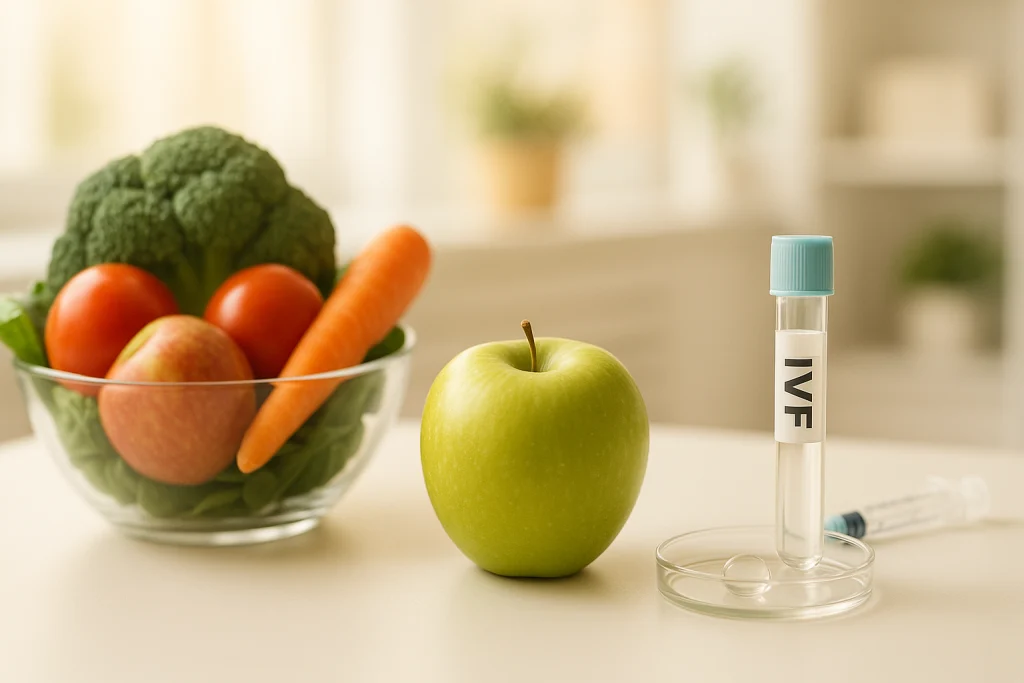
Nutrition is a pivotal aspect of preparing for in vitro fertilization (IVF), influencing both the success rates and overall health of individuals undergoing treatment. Research indicates that a balanced diet rich in essential nutrients can enhance ovarian response and improve embryo quality. Key vitamins and minerals, such as folate, vitamin D, and antioxidants, contribute to reproductive health and may positively affect pregnancy outcomes. Understanding how to optimize your nutrition can provide a solid foundation as you embark on your IVF journey.
Essential Nutrients for Fertility
Certain nutrients are particularly important for enhancing fertility. Folate, for example, is crucial for DNA synthesis and repair, making it vital for both egg and sperm health. Studies show that adequate folate intake can reduce the risk of neural tube defects and improve overall reproductive outcomes (Scholl et al., 2000). Additionally, antioxidants found in fruits, vegetables, and whole grains may help combat oxidative stress, which can impair fertility. Incorporating a variety of colorful foods into your diet can ensure you receive a broad spectrum of these vital nutrients.
The Impact of Body Weight on IVF Outcomes
Body weight can significantly influence IVF success rates. Both underweight and overweight individuals may face challenges in achieving pregnancy. Research suggests that maintaining a healthy body mass index (BMI) can improve ovarian function and increase the likelihood of successful embryo implantation (Mazzocco et al., 2016). It is essential to discuss weight management with your healthcare provider, as achieving a balanced weight through proper nutrition and lifestyle changes can enhance fertility and contribute to a healthier pregnancy.
In addition to macronutrients, micronutrients play a critical role in reproductive health. For instance, vitamin D has been linked to improved IVF outcomes, as it may influence ovarian function and endometrial receptivity (Noyes et al., 2018). Likewise, omega-3 fatty acids, found in fatty fish and flaxseeds, can support hormone production and reduce inflammation, which are both important for fertility. Ensuring a well-rounded diet that includes these essential nutrients can set the stage for a more successful IVF experience.
Lifestyle Factors to Consider
Aside from nutrition, several lifestyle factors can affect fertility and IVF outcomes. Regular physical activity is beneficial, as it can help maintain a healthy weight, reduce stress, and improve overall health. However, excessive exercise may have the opposite effect, so finding a balanced routine is crucial. Additionally, managing stress through techniques such as mindfulness, yoga, or counseling can support emotional well-being during the IVF process. It is essential to consider both diet and lifestyle as interconnected elements in your fertility journey.
Furthermore, avoiding harmful substances is vital for fertility. Smoking, excessive alcohol consumption, and exposure to environmental toxins can negatively impact reproductive health. Eliminating these factors can improve the chances of successful IVF and promote better health overall. Consulting with a nutritionist or fertility specialist can provide personalized guidance tailored to your specific needs and circumstances.
Consulting Your Fertility Specialist
As you prepare for IVF, it is important to work closely with your fertility clinic. They can provide tailored advice based on your individual health and treatment plan. Nutrition and lifestyle adjustments should be discussed with your healthcare provider to ensure they align with your overall strategy for IVF success. Empowering yourself with knowledge and support can help you navigate this journey with confidence.
In conclusion, nutrition plays a vital role in the IVF process, influencing both fertility and overall health. By focusing on essential nutrients, maintaining a healthy weight, and considering lifestyle factors, individuals can enhance their chances of success during treatment. Remember that every journey is unique, and consulting with your fertility specialist is crucial to achieving the best possible outcomes.
Related on MVXGRP Health Journal
- Preparing Your Body for IVF: Essential Nutrition Tips
- Understanding IVF Success Rates: Key Influencing Factors
- Understanding the IVF Process: Key Stages Explained
References
- Scholl TO, et al. Maternal vitamin intake and the risk of neural tube defects. Am J Epidemiol. 2000. [PubMed]
- Mazzocco K, et al. The role of body weight in IVF outcomes: a review. Hum Reprod Update. 2016. [PubMed]
- Noyes N, et al. Vitamin D and reproductive health: a review. J Clin Endocrinol Metab. 2018. [PubMed]
References and Further Reading
- ASRM ReproductiveFacts: Optimizing Natural Fertility - Patient education from the American Society for Reproductive Medicine on fertility timing and care discussions.
- ASRM ReproductiveFacts: Age and Fertility - Patient education on age-related fertility changes and treatment context.
- ACOG: Healthy Eating During Pregnancy - Patient guidance on pregnancy nutrients including folic acid, iron, iodine, choline, vitamin D, and omega-3 fatty acids.
- CDC: About Folic Acid - Public health guidance on folic acid before and during early pregnancy.
Editorial and Medical Note
Written by MVXGRP Editorial Team. Last updated: September 21, 2026.
This article is educational and does not replace diagnosis, treatment, or personal medical advice. For symptoms, medication decisions, fertility treatment planning, pregnancy complications, or urgent concerns, speak with your doctor, midwife, fertility clinic, or emergency care team. Read more about our editorial approach.