Why IVF Stimulation Weeks Demand a Specific Nutrition Strategy
During ovarian stimulation, follicles grow rapidly in both number and size, dramatically increasing the metabolic demands on the ovary. Protein is the primary building block for follicular fluid, granulosa cells, and hormonal machinery. Inflammation, oxidative stress, and vascular changes are all active during this window, and targeted nutrition adjustments have the clearest and most time-sensitive impact on the stimulation phase.
High-Protein Priority During Stimulation
Increase protein intake to at least 1.2–1.5 g per kilogram of body weight daily during stimulation and the 48–72 hours after retrieval. Protein is the primary osmotic component that helps maintain fluid in the vascular compartment, reducing OHSS risk and severity. Practical sources: Greek yogurt, eggs, soft-cooked fish, white chicken, tofu, edamame, cottage cheese, and legume soups — all gentle on a potentially sensitive stomach.
Electrolytes, Sodium, and OHSS Prevention
Moderate sodium intake helps maintain fluid balance during the peri-retrieval period. Electrolyte-rich drinks are preferable to plain water post-retrieval because they sustain plasma volume. Foods rich in natural electrolytes during stimulation: bone broth, vegetable soups, avocado (potassium), banana (potassium), Greek yogurt (sodium, potassium, protein), and tomatoes.
Stimulation Week Meal Structure
- Breakfast: Greek yogurt with berries and walnuts, or eggs with avocado and whole-grain toast
- Mid-morning: Edamame or hummus with vegetable sticks
- Lunch: Salmon or chicken with quinoa and leafy greens in olive oil and lemon
- Afternoon: Cottage cheese with fruit
- Dinner: Lentil or bean soup, or baked fish with roasted vegetables
- Hydration: 2.5–3 litres total fluid, including electrolyte sources alongside plain water
Key Takeaways
This article on How to plan meals during IVF stimulation weeks is designed to give you clear, evidence-informed steps to discuss with your care team. Every fertility journey, pregnancy, and IVF cycle is unique — use this as a starting framework and build your individual plan with your doctor, midwife, or registered dietitian. For safety-critical decisions, current evidence and your clinical team always take precedence over general guidance.
Visual Guide

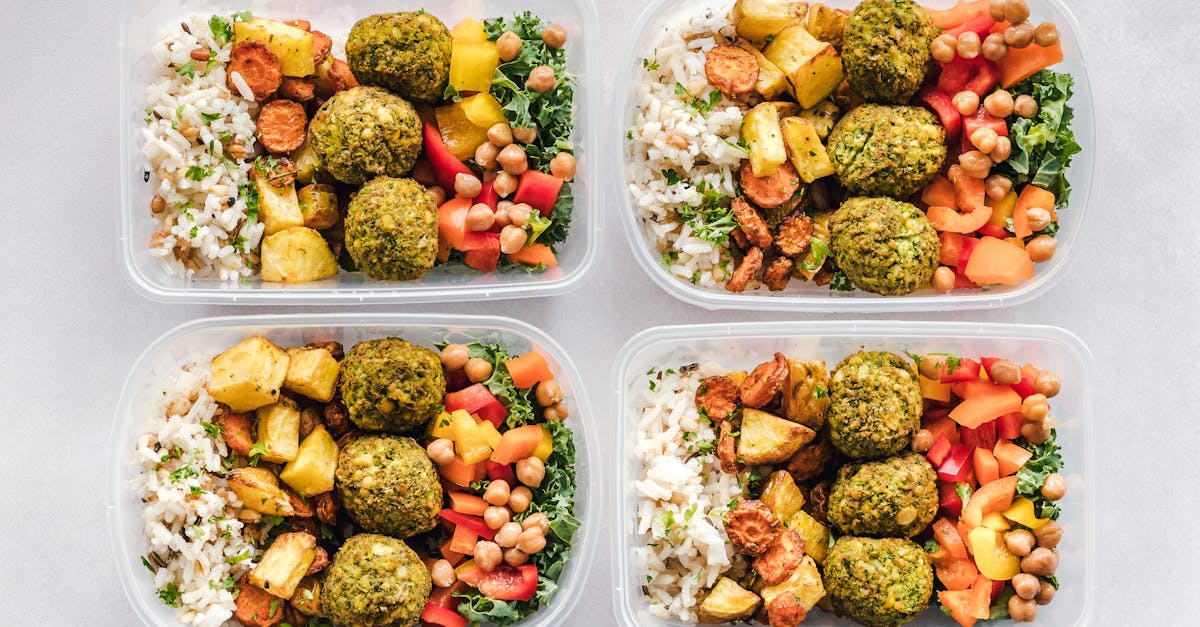
Keep this one practical: use the first image to understand the context, then apply one actionable step today before moving to the next section.
References and Further Reading
- ASRM ReproductiveFacts: Optimizing Natural Fertility - Patient education from the American Society for Reproductive Medicine on fertility timing and care discussions.
- ASRM ReproductiveFacts: Age and Fertility - Patient education on age-related fertility changes and treatment context.
- ACOG: Healthy Eating During Pregnancy - Patient guidance on pregnancy nutrients including folic acid, iron, iodine, choline, vitamin D, and omega-3 fatty acids.
- CDC: About Folic Acid - Public health guidance on folic acid before and during early pregnancy.
Editorial and Medical Note
Written by MVXGRP Editorial Team. Last updated: April 20, 2026.
This article is educational and does not replace diagnosis, treatment, or personal medical advice. For symptoms, medication decisions, fertility treatment planning, pregnancy complications, or urgent concerns, speak with your doctor, midwife, fertility clinic, or emergency care team. Read more about our editorial approach.