Why Constipation Is So Common in Pregnancy
Two main drivers: progesterone and iron supplements. Progesterone relaxes smooth muscle throughout the gastrointestinal tract, slowing intestinal motility and roughly doubling transit time. Iron supplements — particularly ferrous sulfate in most basic prenatal vitamins — are constipating. The growing uterus physically compresses the large intestine in the third trimester, adding mechanical difficulty.
Soluble vs Insoluble Fiber: Both Are Needed, But Only With Adequate Fluid
Fiber is essential for gut motility but only works with adequate fluid. Without sufficient water, fiber can worsen constipation by creating a dense, slow-moving mass. Soluble fiber (oats, flaxseeds, chia seeds, psyllium husk) absorbs water and softens stool. Insoluble fiber (whole grains, vegetable skins, wheat bran) adds bulk and promotes movement. Target: at least 28 g of total fiber daily during pregnancy, increased gradually to avoid gas and bloating.
Evidence-Backed Foods That Help
Most effective constipation-moving foods: Prunes — contain sorbitol (a natural mild laxative) plus fiber and magnesium. Kiwifruit — two kiwis daily outperforms psyllium in some constipation trials. Ground flaxseed — 1–2 tablespoons in porridge or yogurt. Pear and fig — high in sorbitol and fiber. Warm water or ginger/peppermint tea — gentle morning stimulant for bowel motility.
Safe Interventions When Diet Is Not Enough
If dietary changes do not resolve constipation after 1–2 weeks: osmotic laxatives such as lactulose and polyethylene glycol (PEG/Movicol) are considered safe in pregnancy. Switch from ferrous sulfate to ferrous bisglycinate — this change alone resolves significant constipation in many patients while maintaining iron supplementation. Never use herbal laxatives or castor oil during pregnancy without specific medical guidance.
Key Takeaways
This article on Gut health and constipation management in pregnancy is designed to give you clear, evidence-informed steps to discuss with your care team. Every fertility journey, pregnancy, and IVF cycle is unique — use this as a starting framework and build your individual plan with your doctor, midwife, or registered dietitian. For safety-critical decisions, current evidence and your clinical team always take precedence over general guidance.
Visual Guide

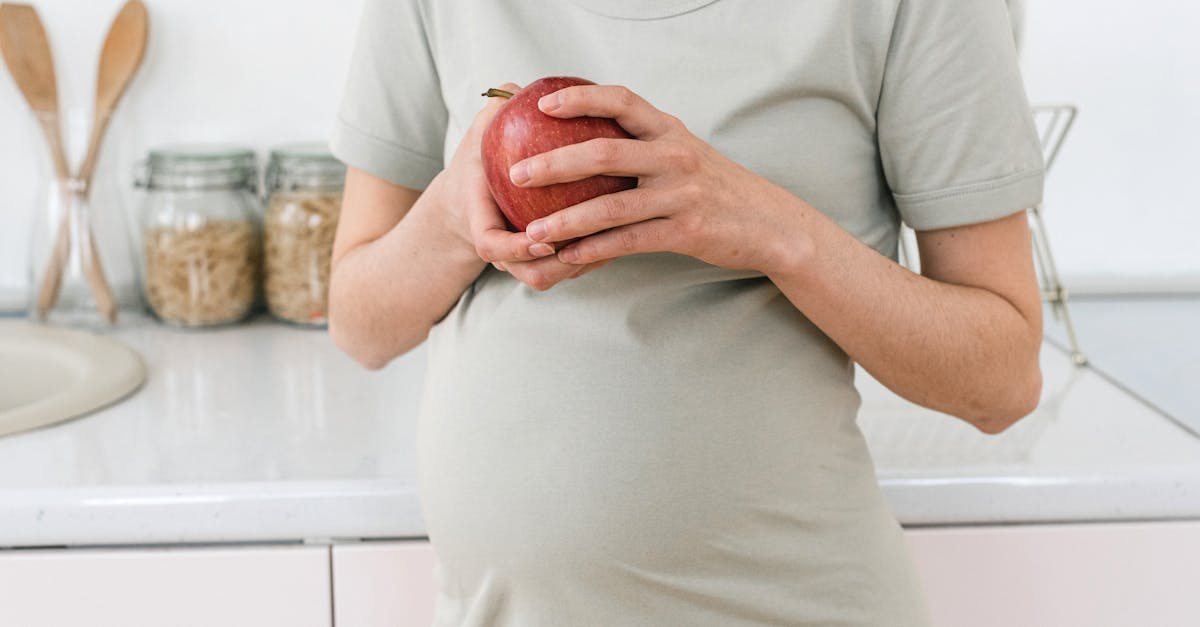
Keep this one practical: use the first image to understand the context, then apply one actionable step today before moving to the next section.
References and Further Reading
- ASRM ReproductiveFacts: Optimizing Natural Fertility - Patient education from the American Society for Reproductive Medicine on fertility timing and care discussions.
- ASRM ReproductiveFacts: Age and Fertility - Patient education on age-related fertility changes and treatment context.
- ACOG: Healthy Eating During Pregnancy - Patient guidance on pregnancy nutrients including folic acid, iron, iodine, choline, vitamin D, and omega-3 fatty acids.
- CDC: About Folic Acid - Public health guidance on folic acid before and during early pregnancy.
Editorial and Medical Note
Written by MVXGRP Editorial Team. Last updated: April 20, 2026.
This article is educational and does not replace diagnosis, treatment, or personal medical advice. For symptoms, medication decisions, fertility treatment planning, pregnancy complications, or urgent concerns, speak with your doctor, midwife, fertility clinic, or emergency care team. Read more about our editorial approach.