Blood Pressure in Pregnancy: What Is Normal and When Is It Concerning
Blood pressure naturally decreases in the first and second trimesters (due to progesterone-driven vasodilation) and rises again in the third trimester. A systolic of 140 mmHg or higher, or a diastolic of 90 mmHg or higher, on two occasions 4 hours apart after 20 weeks gestation meets the diagnostic threshold for gestational hypertension or preeclampsia (if accompanied by proteinuria or end-organ features). Preeclampsia affects 2–8 percent of pregnancies and can progress rapidly.
The DASH Diet and Pregnancy Hypertension
The Dietary Approaches to Stop Hypertension (DASH) pattern has strong evidence for reducing blood pressure in hypertensive adults and aligns closely with general pregnancy nutrition guidance. Core components: abundant fruit and vegetables, low-fat dairy, whole grains, legumes, nuts, and limited red meat and sodium. Key swaps: flavour food with herbs, spices, lemon, and garlic rather than salt; choose low-sodium canned goods; avoid processed meats (very high in sodium); build meals around plant and fish proteins.
Calcium and Magnesium for Blood Pressure Support
Calcium supplementation reduces the risk of preeclampsia, particularly in populations with low baseline calcium intake. The WHO recommends 1.5–2 g of elemental calcium daily for pregnant women with low intake in high-risk settings. Magnesium — in leafy greens, nuts, seeds, legumes, and whole grains — supports vascular smooth muscle relaxation and may contribute to blood pressure regulation. Magnesium deficiency is common and associates with increased preeclampsia risk.
Warning Signs Requiring Immediate Medical Contact
- Systolic blood pressure above 160 mmHg or diastolic above 110 mmHg at home monitoring
- Severe headache that does not resolve with paracetamol
- Visual disturbances: flashing lights, blurred vision, or temporary vision loss
- Sudden significant swelling of face, hands, or feet
- Pain in the upper right abdomen (liver region)
- Difficulty breathing at rest
Key Takeaways
This article on High blood pressure in pregnancy: food and monitoring is designed to give you clear, evidence-informed steps to discuss with your care team. Every fertility journey, pregnancy, and IVF cycle is unique — use this as a starting framework and build your individual plan with your doctor, midwife, or registered dietitian. For safety-critical decisions, current evidence and your clinical team always take precedence over general guidance.
Visual Guide
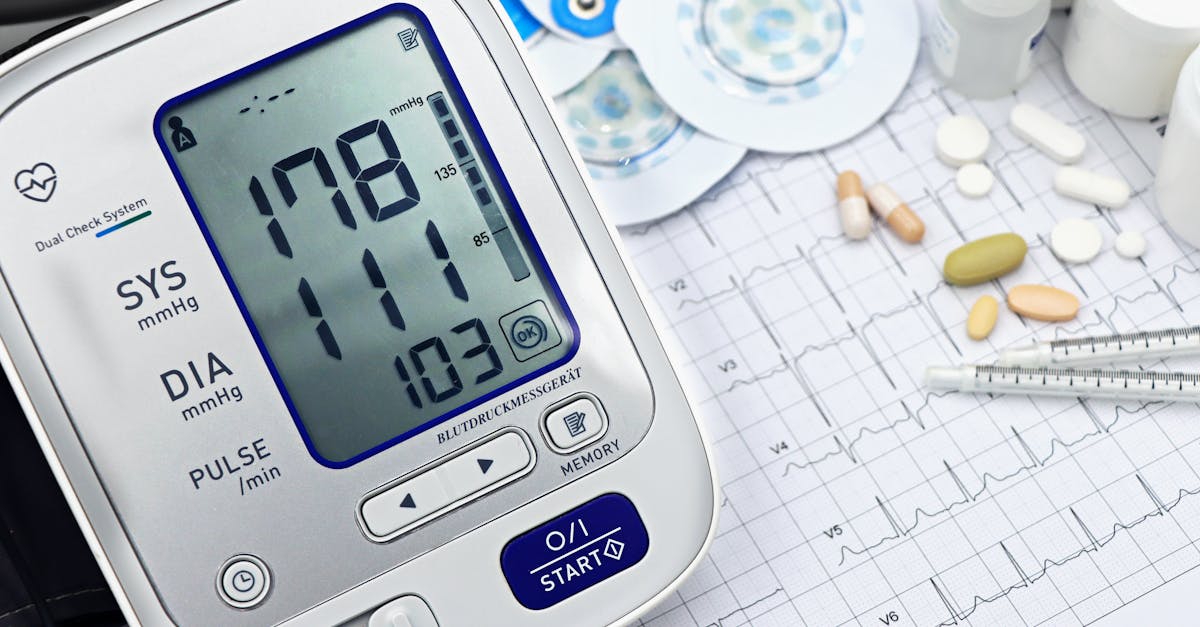
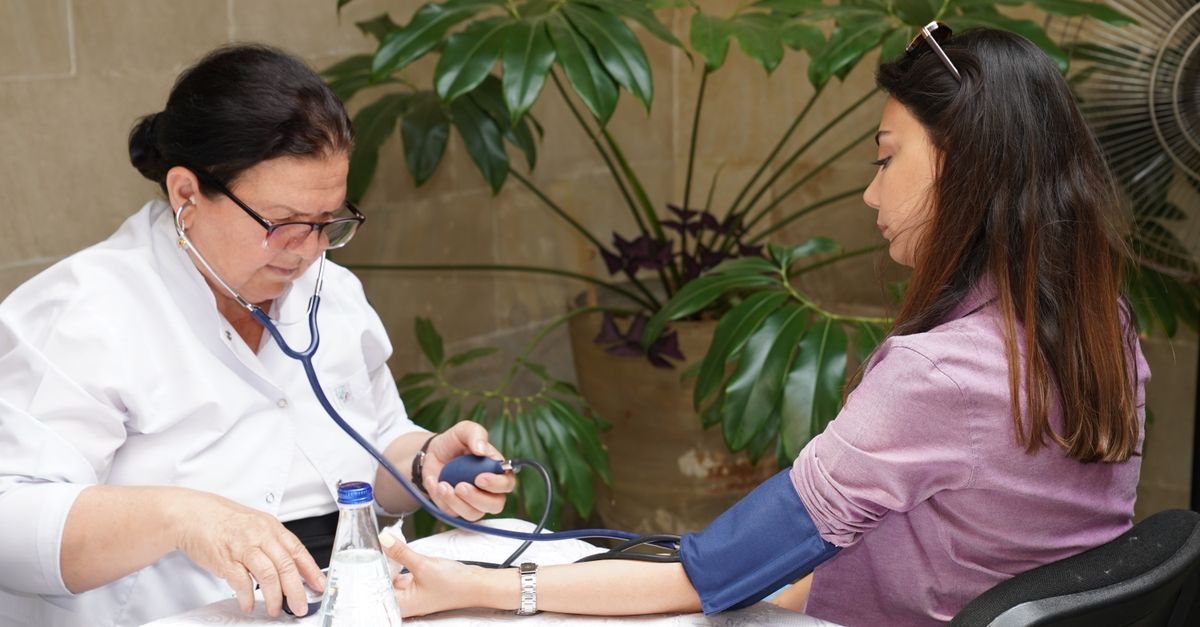
Keep this one practical: use the first image to understand the context, then apply one actionable step today before moving to the next section.
References and Further Reading
- ASRM ReproductiveFacts: Optimizing Natural Fertility - Patient education from the American Society for Reproductive Medicine on fertility timing and care discussions.
- ASRM ReproductiveFacts: Age and Fertility - Patient education on age-related fertility changes and treatment context.
- ACOG: Healthy Eating During Pregnancy - Patient guidance on pregnancy nutrients including folic acid, iron, iodine, choline, vitamin D, and omega-3 fatty acids.
- CDC: About Folic Acid - Public health guidance on folic acid before and during early pregnancy.
- ACOG: Bleeding During Pregnancy - Patient guidance on bleeding causes, warning signs, and when to contact an ob-gyn.
Editorial and Medical Note
Written by MVXGRP Editorial Team. Last updated: April 20, 2026.
This article is educational and does not replace diagnosis, treatment, or personal medical advice. For symptoms, medication decisions, fertility treatment planning, pregnancy complications, or urgent concerns, speak with your doctor, midwife, fertility clinic, or emergency care team. Read more about our editorial approach.