Understanding What Lab Results Actually Tell You
Fertility lab results can be deeply anxiety-provoking when reviewed without context. The most important principle: no single number predicts whether you will conceive. Labs provide probability guidance and inform protocol decisions, but they are one data point in a broader picture that includes age, partner factors, uterine anatomy, and lifestyle. Understanding what each test actually measures helps you ask better questions and interpret results accurately.
AMH: Ovarian Reserve, Not Egg Quality
Anti-Müllerian hormone (AMH) reflects the size of your remaining follicle pool — your ovarian reserve. AMH declines with age and predicts how many eggs are likely to be retrieved in an IVF cycle. A low AMH does not mean your eggs are poor quality; it means fewer are available. Women with low AMH conceive naturally and with IVF, though they may have fewer embryos to choose from.
Day 3 FSH and Estradiol
FSH measured on day 2–4 of the menstrual cycle reflects how hard the pituitary is working to stimulate follicle development. Elevated FSH (generally above 10–12 mIU/mL) suggests diminished ovarian reserve. Estradiol must be interpreted alongside FSH — a suppressed estradiol can artificially lower a high FSH, making the pair more informative than either alone. Antral follicle count (AFC) via transvaginal ultrasound is the most direct visual measure of ovarian reserve.
Day-21 Progesterone and Semen Analysis
A day-21 progesterone (7 days post-ovulation) confirms that ovulation occurred and the corpus luteum is producing adequate progesterone. A value above 3–5 ng/mL typically confirms ovulation. For semen analysis, normal WHO 2021 parameters are: concentration ≥16 million/mL, total motility ≥42%, progressive motility ≥30%, morphology ≥4% normal forms. One abnormal analysis does not define male fertility — repeat testing 2–3 months later is standard before concluding a persistent male factor issue.
Questions to Ask When You Receive Results
- What does this result mean for my specific treatment options?
- At what level would this result change the protocol you recommend?
- Should we retest and under what conditions?
- How does this result interact with my partner’s results?
- Does this result suggest any nutritional or lifestyle changes worth making in the next 3 months?
Key Takeaways
This article on Fertility lab tests: what common markers can mean is designed to give you clear, evidence-informed steps to discuss with your care team. Every fertility journey, pregnancy, and IVF cycle is unique — use this as a starting framework and build your individual plan with your doctor, midwife, or registered dietitian. For safety-critical decisions, current evidence and your clinical team always take precedence over general guidance.
Visual Guide

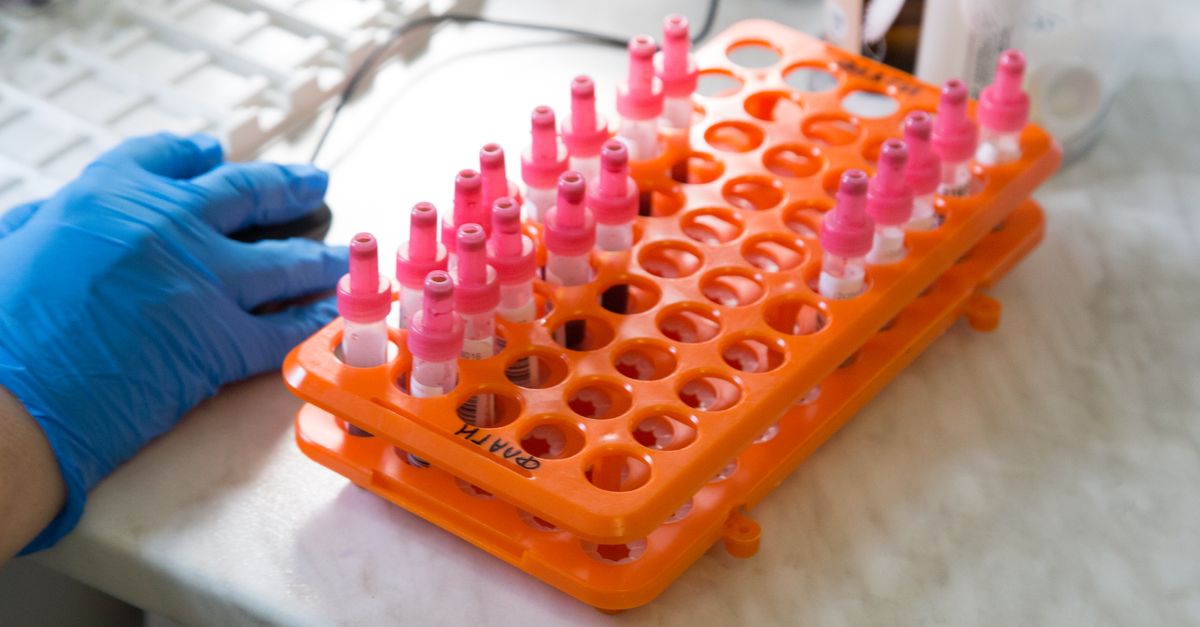
Keep this one practical: use the first image to understand the context, then apply one actionable step today before moving to the next section.
References and Further Reading
- ASRM ReproductiveFacts: Optimizing Natural Fertility - Patient education from the American Society for Reproductive Medicine on fertility timing and care discussions.
- ASRM ReproductiveFacts: Age and Fertility - Patient education on age-related fertility changes and treatment context.
- ACOG: Healthy Eating During Pregnancy - Patient guidance on pregnancy nutrients including folic acid, iron, iodine, choline, vitamin D, and omega-3 fatty acids.
- CDC: About Folic Acid - Public health guidance on folic acid before and during early pregnancy.
- ACOG: Routine Tests During Pregnancy - Patient guidance on routine pregnancy lab tests and conditions that can be found and treated.
Editorial and Medical Note
Written by MVXGRP Editorial Team. Last updated: April 20, 2026.
This article is educational and does not replace diagnosis, treatment, or personal medical advice. For symptoms, medication decisions, fertility treatment planning, pregnancy complications, or urgent concerns, speak with your doctor, midwife, fertility clinic, or emergency care team. Read more about our editorial approach.