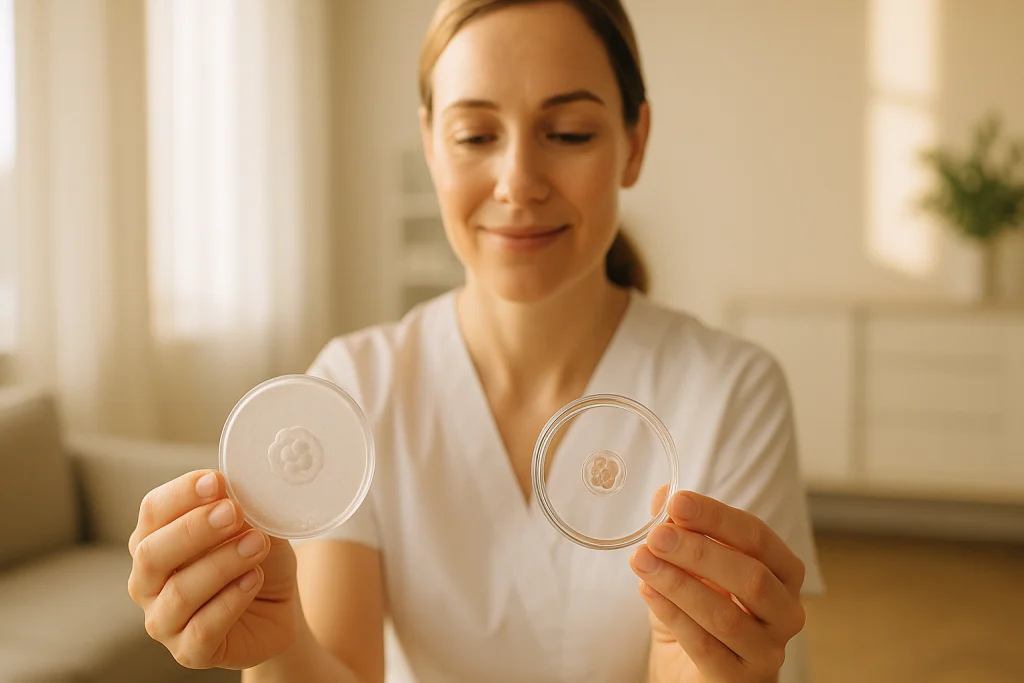
In vitro fertilization (IVF) is a complex journey that often culminates in the crucial decision of whether to proceed with a frozen or fresh embryo transfer. Understanding the differences between these two options is essential for individuals and couples navigating their fertility treatment. Recent studies have shown that both methods have distinct advantages and disadvantages, which can influence the success of the IVF cycle.
What is Fresh Embryo Transfer?
Fresh embryo transfer occurs shortly after egg retrieval and fertilization, typically within a few days. This approach allows for the immediate transfer of embryos that have developed in tandem with the ovarian stimulation cycle. One of the advantages of fresh transfers is that they can take advantage of the hormonal environment created by the stimulation drugs, potentially leading to better implantation rates. However, fresh transfers can also be impacted by the quality of the eggs and embryos, as well as the individual’s response to ovarian stimulation.
The Benefits of Frozen Embryo Transfer
Frozen embryo transfer (FET) has gained popularity in recent years due to advancements in cryopreservation techniques. One major benefit of FET is the ability to select the optimal timing for embryo transfer. This allows the uterine environment to be more receptive, as it can be prepared with hormonal treatments if needed. Additionally, the freezing process can help preserve embryos that might not have been viable for immediate transfer. Research indicates that FET can lead to comparable, if not higher, success rates than fresh transfers in certain patient populations, particularly for those who respond poorly to ovarian stimulation.
Factors Influencing the Choice Between Fresh and Frozen Transfers
Several factors should be considered when deciding between fresh and frozen embryo transfer. The quality of the embryos, the patient’s age, hormonal levels, and any underlying health conditions can all influence the decision. For instance, women with polycystic ovary syndrome (PCOS) may benefit more from FET due to the risk of ovarian hyperstimulation syndrome (OHSS) associated with fresh transfers. Additionally, personal preferences and emotional readiness can play significant roles in this decision-making process.
It is essential to have open discussions with your fertility specialist about the potential benefits and risks associated with both approaches. Each IVF journey is unique, and a tailored plan can help optimize the chances of success.
Emerging Research and Trends in Embryo Transfer
Ongoing research continues to explore the nuances of embryo transfer techniques, including the impact of embryo development stages on transfer outcomes. Studies suggest that transferring blastocyst-stage embryos may yield higher success rates compared to earlier-stage embryos, whether fresh or frozen. Furthermore, the role of genetic testing, such as PGT-A (preimplantation genetic testing for aneuploidy), may influence the choice between fresh and frozen transfers, as it helps identify embryos with the best potential for implantation.
Ultimately, the decision between fresh and frozen embryo transfer should be made collaboratively with your fertility clinic, taking into consideration all relevant factors. Being informed and prepared can ease the emotional burden of this critical decision.
As you explore your options, remember that the journey through IVF can be both challenging and rewarding. Understanding the differences between fresh and frozen embryo transfer is a vital step in empowering you to make the best decision for your unique circumstances.
Always consult your fertility specialist for personalized advice and recommendations tailored to your individual situation.
Related on MVXGRP Health Journal
- Understanding Frozen vs Fresh Embryo Transfer in IVF
- Understanding IVF Success Rates: Key Influencing Factors
- Understanding the IVF Process: Key Stages Explained
References
- Shapiro BS, et al. The Effect of Embryo Transfer Timing on Live Birth Rates in Fresh IVF Cycles. Fertility and Sterility. 2017. [PubMed]
- Almeida F, et al. Frozen-thawed versus fresh embryo transfer in IVF: A systematic review and meta-analysis. Cochrane Database of Systematic Reviews. 2020. [PubMed]
- Macklon NS, et al. The role of embryo quality and timing of transfer in IVF outcomes. Human Reproduction Update. 2018. [PubMed]
References and Further Reading
- ASRM ReproductiveFacts: Optimizing Natural Fertility - Patient education from the American Society for Reproductive Medicine on fertility timing and care discussions.
- ASRM ReproductiveFacts: Age and Fertility - Patient education on age-related fertility changes and treatment context.
Editorial and Medical Note
Written by MVXGRP Editorial Team. Last updated: October 3, 2026.
This article is educational and does not replace diagnosis, treatment, or personal medical advice. For symptoms, medication decisions, fertility treatment planning, pregnancy complications, or urgent concerns, speak with your doctor, midwife, fertility clinic, or emergency care team. Read more about our editorial approach.