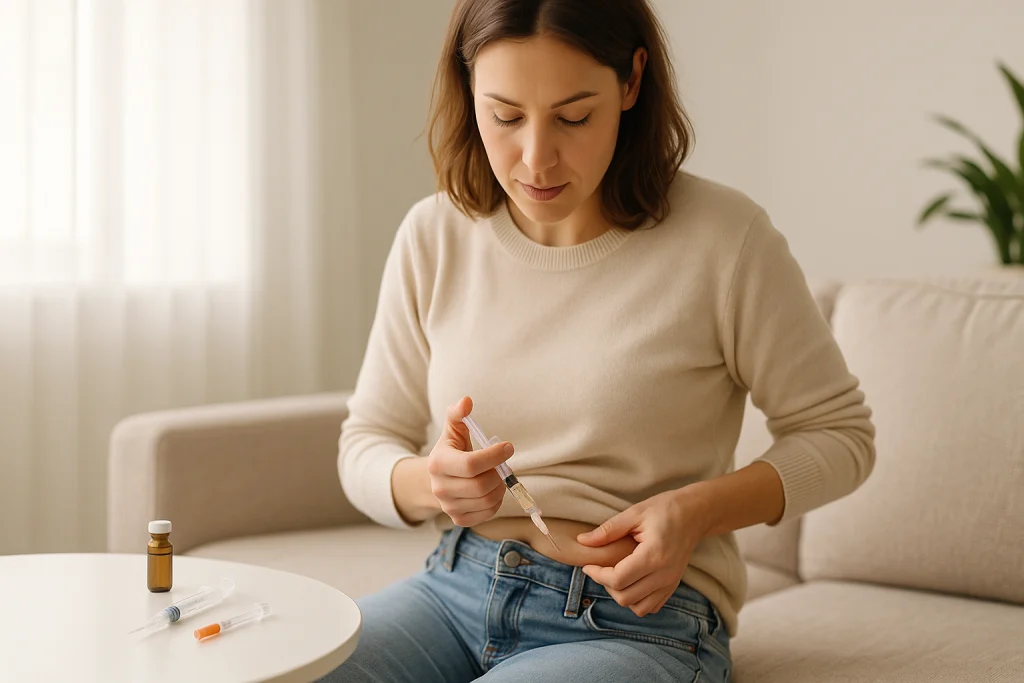
IVF stimulation is a pivotal phase in assisted reproductive technology (ART), designed to enhance the ovaries’ natural process of egg production. By using fertility medications, clinics aim to stimulate the ovaries so that multiple eggs can develop simultaneously, increasing the likelihood of successful fertilization and embryo development. This stage typically begins with hormonal treatments that mimic the body’s natural hormones, guiding the ovaries to produce more eggs than they would in a typical menstrual cycle.
The Role of Hormones in IVF Stimulation
The hormonal medications used during IVF stimulation primarily include gonadotropins, which contain follicle-stimulating hormone (FSH) and luteinizing hormone (LH). These hormones play a crucial role in regulating the growth and maturation of ovarian follicles. According to research published in ‘Fertility and Sterility’, the careful management of these hormones can lead to improved outcomes in IVF cycles, highlighting the importance of individualizing treatment plans to optimize egg production.
Monitoring and Adjustments During Stimulation
Throughout the stimulation process, regular monitoring through blood tests and ultrasounds is essential. These evaluations help track hormone levels and follicle development, allowing fertility specialists to make necessary adjustments to medication dosages. A study in ‘Human Reproduction’ emphasizes that tailored monitoring can significantly enhance the chances of retrieving a higher number of viable eggs, ultimately improving the odds of successful fertilization and embryo transfer.
Additionally, the timing of the human chorionic gonadotropin (hCG) trigger shot, used to prompt ovulation, is critical. This timing is based on the growth of the follicles observed during monitoring. Proper coordination ensures that eggs are retrieved at their optimal maturity, which is essential for achieving successful fertilization.
Potential Side Effects and Considerations
While IVF stimulation is generally safe, it can come with potential side effects. Women may experience symptoms such as bloating, mood swings, and discomfort due to enlarged ovaries. In rare cases, ovarian hyperstimulation syndrome (OHSS) can occur, leading to severe complications. According to a review in the ‘Cochrane Database of Systematic Reviews’, awareness and monitoring for OHSS are critical for mitigating risks and ensuring safety during the IVF process.
It’s essential to communicate openly with your healthcare team about any concerns or symptoms experienced during stimulation. Emotional support is equally vital, as the physical and psychological demands of fertility treatments can be challenging. Engaging with support groups or mental health professionals can provide coping strategies and emotional resilience.
Preparing for the Egg Retrieval Stage
Once the follicles reach the desired size and maturity, the egg retrieval process is scheduled. This procedure is usually performed under sedation, allowing for a comfortable experience. The retrieved eggs are then evaluated for quality and quantity, which are critical factors influencing the success of fertilization and subsequent embryo development.
In conclusion, IVF stimulation is a complex yet vital stage in the fertility treatment journey. Understanding the process, the role of hormonal medications, and the importance of monitoring can empower individuals and couples to navigate their fertility journey with greater confidence. Always consult your fertility clinic for personalized guidance and support.
Disclaimer: This article is for informational purposes only and should not be considered medical advice. Please consult your fertility specialist for personalized recommendations regarding your treatment.
Related on MVXGRP Health Journal
- Understanding IVF Stimulation: Essential Insights for Success
- Understanding the IVF Process: Key Stages Explained
- Emotional and Mental Health Support During IVF Treatment
References
- Schmidt, L., et al. The role of ovarian stimulation in assisted reproductive technology. Fertility and Sterility. 2018. [PubMed]
- Huang, K. et al. Individualized ovarian stimulation: A review. Human Reproduction. 2020. [PubMed]
- Rombauts, L., et al. Ovarian hyperstimulation syndrome: Clinical management. Cochrane Database of Systematic Reviews. 2019. [PubMed]
References and Further Reading
- ASRM ReproductiveFacts: Optimizing Natural Fertility - Patient education from the American Society for Reproductive Medicine on fertility timing and care discussions.
- ASRM ReproductiveFacts: Age and Fertility - Patient education on age-related fertility changes and treatment context.
Editorial and Medical Note
Written by MVXGRP Editorial Team. Last updated: September 19, 2026.
This article is educational and does not replace diagnosis, treatment, or personal medical advice. For symptoms, medication decisions, fertility treatment planning, pregnancy complications, or urgent concerns, speak with your doctor, midwife, fertility clinic, or emergency care team. Read more about our editorial approach.