The Insulin-Fertility Connection in PCOS
Polycystic ovary syndrome affects 8–13 percent of reproductive-age women and is the most common cause of anovulatory infertility. Insulin resistance is a central feature in 65–80 percent of cases. Elevated insulin directly stimulates the ovaries to produce excess androgens (testosterone, DHEA), which disrupts follicle maturation and suppresses ovulation. Managing insulin levels through food, activity, and targeted supplements is a primary strategy for restoring menstrual regularity and improving fertility outcomes.
Low-Glycemic Eating for PCOS: What It Means in Practice
A low-glycemic approach does not mean eliminating carbohydrates. It means choosing carbohydrates that release glucose more slowly, always pairing them with protein, healthy fats, or fiber. Replace white bread, white rice, and sugary drinks with oats, sweet potato, quinoa, lentils, and whole fruits. The most impactful single change for many women with PCOS is removing sweetened beverages — they produce a rapid insulin spike with no compensating fiber or protein. Breakfast carbohydrate is particularly high-impact due to natural morning cortisol.
Inositol: The Best-Studied Supplement for PCOS
Myo-inositol and D-chiro-inositol are naturally occurring insulin sensitizers. Multiple randomised trials show that myo-inositol (2–4 g daily) improves ovulation frequency, menstrual regularity, and androgen levels in women with PCOS. A 40:1 ratio of myo-inositol to D-chiro-inositol appears most physiologically appropriate for ovarian tissue. Inositol is generally safe and well tolerated. Discuss with your endocrinologist or reproductive specialist before starting.
Exercise and Weight: Setting the Right Goal
Both aerobic exercise and resistance training improve insulin sensitivity. Resistance training provides additional benefit by increasing muscle mass, which improves long-term glucose storage. Weight loss of 5–10 percent of body weight in overweight women with PCOS has been shown in multiple studies to restore ovulation in a meaningful proportion of participants. However, the goal is metabolic improvement, not a number on the scale. Rapid restriction worsens cortisol, further disrupts the cycle, and creates a rebound cycle. A sustainable, protein-forward, reduced-refined-carbohydrate approach produces better outcomes than aggressive dieting.
Key Takeaways
This article on PCOS, fertility, and insulin balance nutrition strategy is designed to give you clear, evidence-informed steps to discuss with your care team. Every fertility journey, pregnancy, and IVF cycle is unique — use this as a starting framework and build your individual plan with your doctor, midwife, or registered dietitian. For safety-critical decisions, current evidence and your clinical team always take precedence over general guidance.
Visual Guide

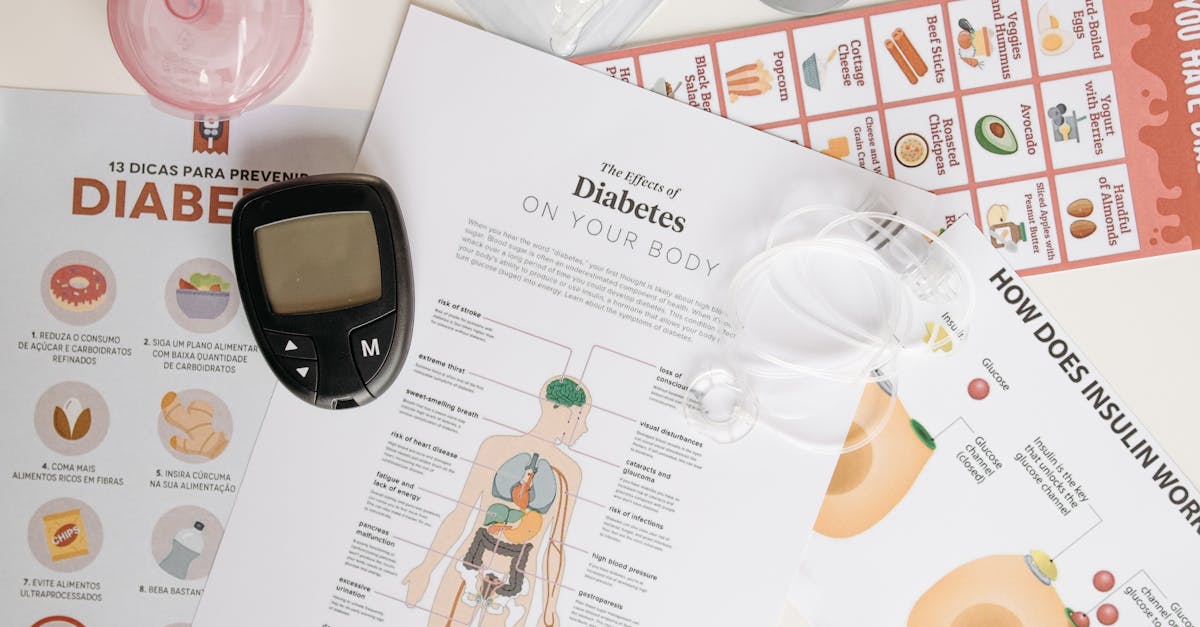
Keep this one practical: use the first image to understand the context, then apply one actionable step today before moving to the next section.
References and Further Reading
- ASRM ReproductiveFacts: Optimizing Natural Fertility - Patient education from the American Society for Reproductive Medicine on fertility timing and care discussions.
- ASRM ReproductiveFacts: Age and Fertility - Patient education on age-related fertility changes and treatment context.
- ASRM ReproductiveFacts: Polycystic Ovary Syndrome - Patient education on PCOS symptoms, diagnosis, and treatment options.
- ACOG: Healthy Eating During Pregnancy - Patient guidance on pregnancy nutrients including folic acid, iron, iodine, choline, vitamin D, and omega-3 fatty acids.
- CDC: About Folic Acid - Public health guidance on folic acid before and during early pregnancy.
Editorial and Medical Note
Written by MVXGRP Editorial Team. Last updated: April 20, 2026.
This article is educational and does not replace diagnosis, treatment, or personal medical advice. For symptoms, medication decisions, fertility treatment planning, pregnancy complications, or urgent concerns, speak with your doctor, midwife, fertility clinic, or emergency care team. Read more about our editorial approach.