Why Not All Prenatal Vitamins Are Equal
Prenatal vitamins are not interchangeable. The form of each nutrient, not just the amount on the label, determines how well your body absorbs and uses it. Understanding four key nutrients — folate, choline, iron, and vitamin D — helps you choose a supplement that actually meets your needs during pregnancy and preconception.
Folate: Form and Dosage Matter
Folic acid is the synthetic form found in most standard prenatals. Your body must convert it to active 5-MTHF (methylfolate) before it can be used. A significant portion of the population carries variants in the MTHFR gene that reduce this conversion efficiency. Methylfolate supplements the active form directly and may be preferable for those with known MTHFR variants. Recommended intake: at least 400–800 mcg daily; higher doses (up to 5 mg) are used in some high-risk pregnancies under medical guidance.
Choline: The Nutrient Missing from Most Prenatals
Choline supports fetal brain development, placental function, and neural tube closure. The adequate intake for pregnant women is 450 mg daily, but most prenatal vitamins contain little or none. Eggs are the richest dietary source (about 147 mg per large egg). Beef liver, chicken, salmon, and dairy also contribute meaningfully. If you follow a plant-based diet, discuss choline supplementation specifically with your clinician, as deficiency is more common and harder to address through food alone.
Iron: Absorption Strategies That Make a Real Difference
Iron requirements roughly double during pregnancy. To maximize absorption: take iron supplements on an empty stomach or with vitamin C (not with calcium, tea, coffee, or high-phytate foods). Iron and calcium compete for absorption — separate them by at least two hours. Ferrous bisglycinate causes fewer digestive side effects than ferrous sulfate and is absorbed comparably or better. If your prenatal contains both calcium and iron, absorption of both may be suboptimal. Your provider can check ferritin levels to confirm adequacy.
Vitamin D: Most People Need More Than the Label Suggests
Vitamin D3 (cholecalciferol) is more effective than D2 (ergocalciferol) at raising blood levels. Most prenatal vitamins contain 400–600 IU, but many clinicians now recommend 1,000–2,000 IU or more, particularly in northern climates or for people with limited sun exposure. The only way to know your actual status is a 25-hydroxyvitamin D blood test. Target levels during pregnancy are typically 30–50 ng/mL.
Prenatal Supplement Checklist
- Folate: 400–800 mcg (methylfolate preferred if MTHFR variant known)
- Iron: 27 mg (ferrous bisglycinate preferred for tolerability)
- Choline: supplement separately if not eating 2+ eggs daily
- Vitamin D3: 1,000–2,000 IU or per clinician guidance after testing
- Iodine: 150–220 mcg; verify it is included — many brands omit it
- DHA: 200–300 mg; often sold separately from prenatal multivitamins
Key Takeaways
This article on Prenatal vitamins: folate, choline, iron, and vitamin D is designed to give you clear, evidence-informed steps to discuss with your care team. Every fertility journey, pregnancy, and IVF cycle is unique — use this as a starting framework and build your individual plan with your doctor, midwife, or registered dietitian. For safety-critical decisions, current evidence and your clinical team always take precedence over general guidance.
Visual Guide

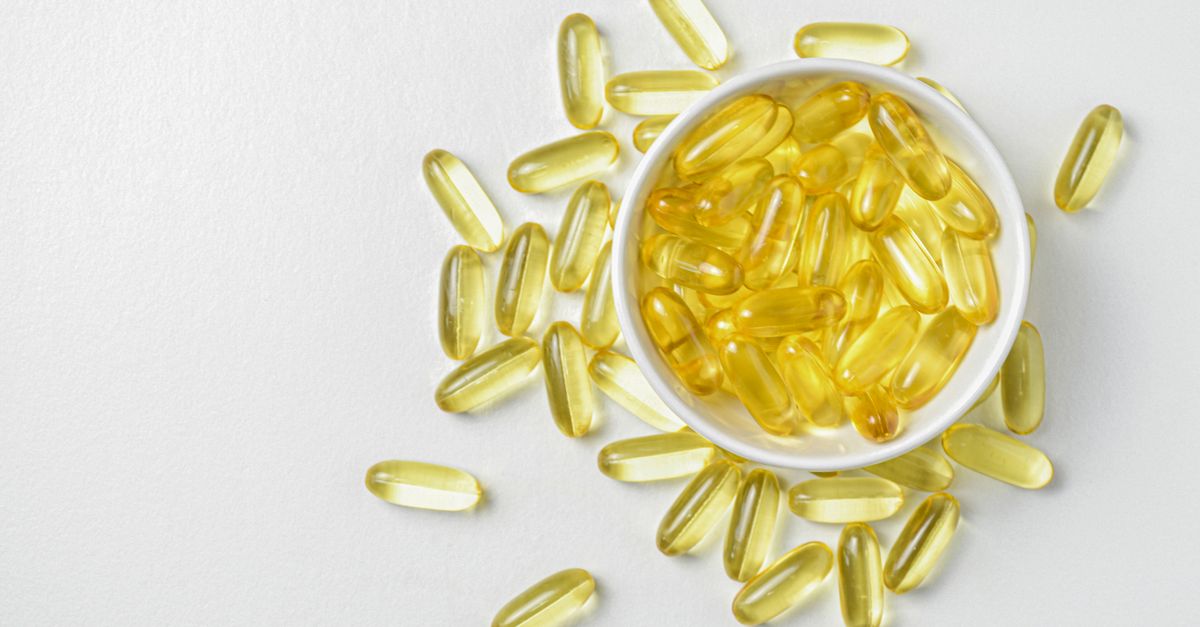
Keep this one practical: use the first image to understand the context, then apply one actionable step today before moving to the next section.
References and Further Reading
- ASRM ReproductiveFacts: Optimizing Natural Fertility - Patient education from the American Society for Reproductive Medicine on fertility timing and care discussions.
- ASRM ReproductiveFacts: Age and Fertility - Patient education on age-related fertility changes and treatment context.
- ACOG: Healthy Eating During Pregnancy - Patient guidance on pregnancy nutrients including folic acid, iron, iodine, choline, vitamin D, and omega-3 fatty acids.
- CDC: About Folic Acid - Public health guidance on folic acid before and during early pregnancy.
Editorial and Medical Note
Written by MVXGRP Editorial Team. Last updated: April 20, 2026.
This article is educational and does not replace diagnosis, treatment, or personal medical advice. For symptoms, medication decisions, fertility treatment planning, pregnancy complications, or urgent concerns, speak with your doctor, midwife, fertility clinic, or emergency care team. Read more about our editorial approach.