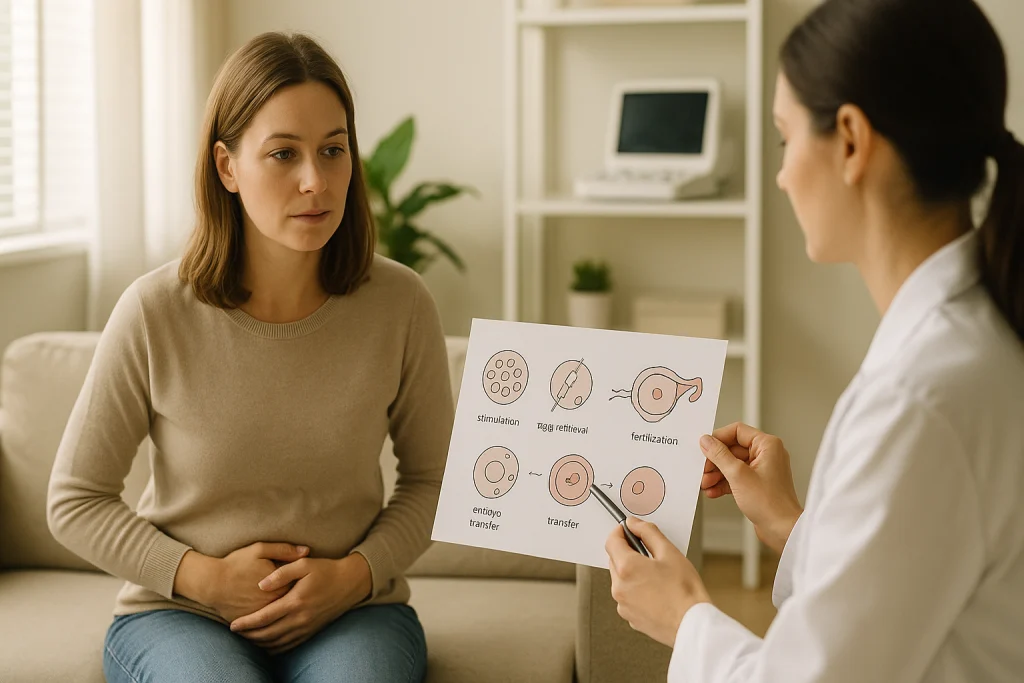
In vitro fertilization (IVF) is a multi-step process that can seem overwhelming at first. Understanding the key stages can empower you to navigate this journey more effectively. The IVF process typically begins with ovarian stimulation, where medications are administered to encourage the ovaries to produce multiple eggs. This stage is crucial, as more eggs can lead to a higher likelihood of successful fertilization and embryo development.
Ovarian Stimulation and Monitoring
During ovarian stimulation, fertility specialists monitor hormone levels through blood tests and ultrasound assessments. This monitoring helps determine the optimal time for egg retrieval, ensuring that the eggs are mature. Research published in *Fertility and Sterility* indicates that proper timing and monitoring can significantly enhance the chances of successful outcomes. It is essential to remain in close communication with your healthcare team during this phase, as they can make necessary adjustments to your treatment plan.
Egg Retrieval: The Next Step
Once the eggs have reached maturity, the next step in the IVF process is egg retrieval. This procedure is typically performed under sedation and involves using a thin needle guided by ultrasound to extract the eggs from the ovaries. According to a study in *Human Reproduction*, this procedure is generally safe and well-tolerated. After retrieval, the eggs are assessed for quality, which plays a significant role in the probability of successful fertilization and embryo development.
Fertilization and Embryo Development
Following egg retrieval, fertilization occurs either through traditional insemination or intracytoplasmic sperm injection (ICSI), depending on individual circumstances. ICSI is particularly beneficial in cases of male-factor infertility. The fertilized eggs, now called embryos, are cultured for several days, allowing embryologists to assess their development. Research in the *New England Journal of Medicine* highlights that embryos cultured to the blastocyst stage (typically five days post-fertilization) may have a higher implantation potential when transferred.
Embryo Transfer: The Final Step
The final stage of the IVF process is the embryo transfer, which can occur either on day three post-fertilization or after the embryos have developed into blastocysts. The choice of timing often depends on the number and quality of embryos available, as well as any previous IVF attempts. During this procedure, the selected embryos are transferred into the uterus via a thin catheter. Studies published in *Reproductive BioMedicine Online* suggest that the success rates of embryo transfer can be influenced by various factors, including the age of the woman and the quality of the embryos.
Understanding these stages can help demystify the IVF process, making it easier to engage with your healthcare team and make informed decisions. Each step is crucial to the overall success of IVF, and staying informed can provide peace of mind during this emotional journey.
As you embark on your IVF journey, remember that each person’s experience may differ. It is always best to consult with your fertility specialist to tailor a plan that suits your individual needs and circumstances.
Conclusion
The IVF process consists of several key stages, including ovarian stimulation, egg retrieval, fertilization, and embryo transfer. Understanding these stages and their significance can help you navigate your IVF journey with more confidence and clarity. With the right support and information, you can approach each stage prepared and informed.
Related on MVXGRP Health Journal
- Understanding IVF Success Rates: Key Influencing Factors
- Understanding the Role of Nutrition in IVF Success
- Understanding the IVF Process Stages: From Stimulation to Transfer
References
- Macklon, N. S., Geraedts, J. P., & Fauser, B. C. J. M. Ovarian stimulation for IVF: the role of hormones. Fertility and Sterility. 2006. [PubMed]
- Gardner, D. K., & Lane, M. Culture and transfer of human blastocysts. New England Journal of Medicine. 1998. [PubMed]
- Steer, C. V., & Cresswell, J. Factors affecting success rates of IVF. Reproductive BioMedicine Online. 2007. [PubMed]
References and Further Reading
- ASRM ReproductiveFacts: Optimizing Natural Fertility - Patient education from the American Society for Reproductive Medicine on fertility timing and care discussions.
- ASRM ReproductiveFacts: Age and Fertility - Patient education on age-related fertility changes and treatment context.
Editorial and Medical Note
Written by MVXGRP Editorial Team. Last updated: September 29, 2026.
This article is educational and does not replace diagnosis, treatment, or personal medical advice. For symptoms, medication decisions, fertility treatment planning, pregnancy complications, or urgent concerns, speak with your doctor, midwife, fertility clinic, or emergency care team. Read more about our editorial approach.